Is Morocco Safe for Tourists? An Honest 2026 Guide
Yes — Morocco is a safe country for tourists, and millions visit without incident every year. What you will meet is not danger but hustle: persistent selling, the odd scam, and a few nature-specific risks worth knowing. Here is the honest version, from a team that works these streets daily.
Violent crime against visitors is rare, tourism is a pillar of the economy that the state protects vigorously, and dedicated tourist police brigades operate in Marrakech, Fes and Casablanca. The gap between Morocco's reputation and its reality mostly comes down to one thing: the difference between feeling hassled and being unsafe. This guide separates the two.
The Scams to Know (and How to Sidestep Them)
None of these are dangerous. All of them are annoying, and all collapse the moment you know the script.
- The "it's closed" redirect. Someone near a landmark tells you it is closed and offers to lead you somewhere better — usually a relative's shop. Landmarks are almost never closed; smile, say "no, shukran", keep walking.
- Faux guides. Unlicensed "guides" who attach themselves in the medina, then demand payment. Licensed guides in Morocco carry official badges; anyone without one who insists on helping is selling something.
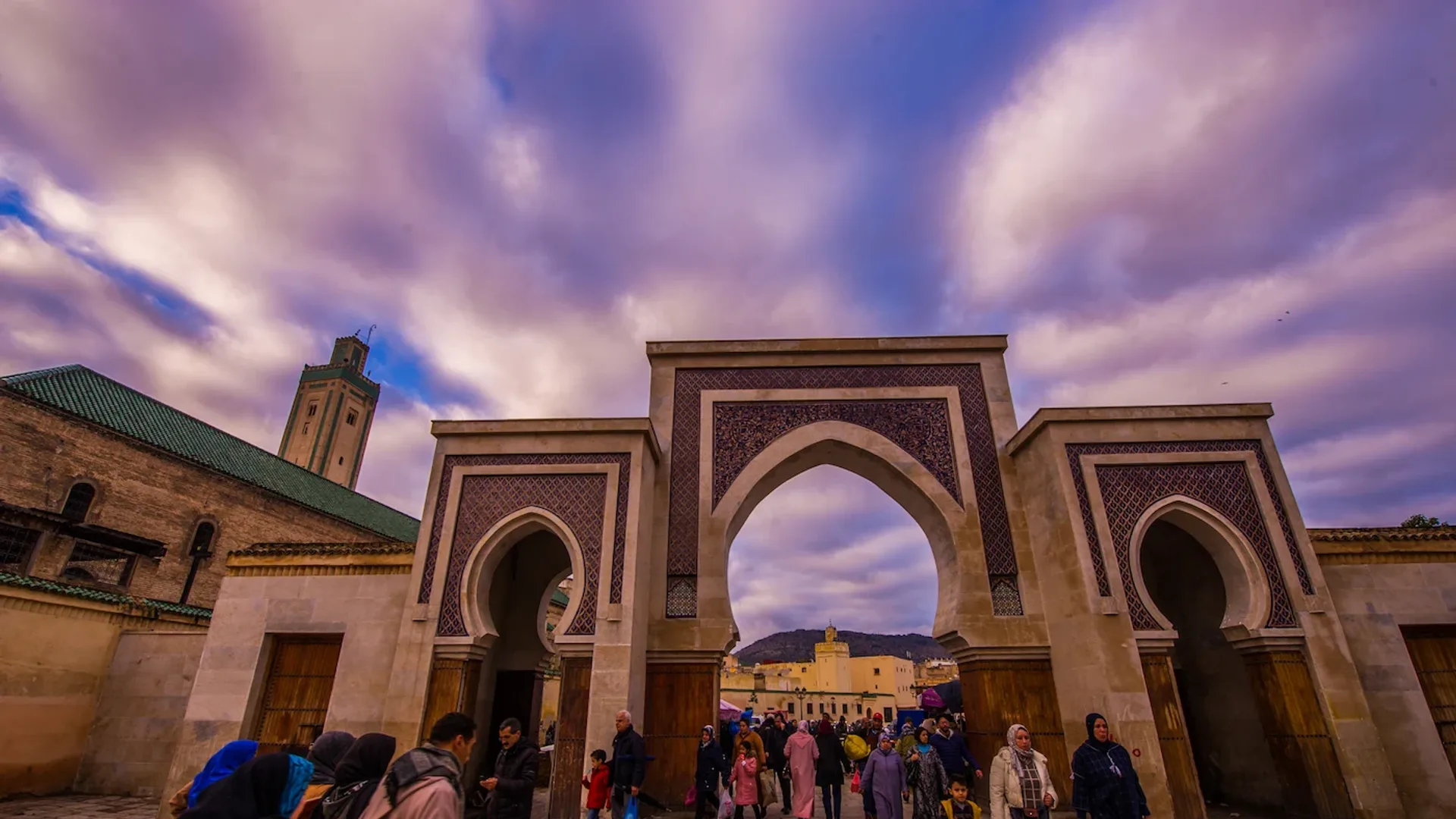
- The tannery "helper". In Fes, men outside the Chouara tannery offer free terrace access, then trap you in a leather hard-sell. Enter via a shop knowingly, tip 20 MAD or so for the view, and go in the morning when the dye pits are actually being worked.
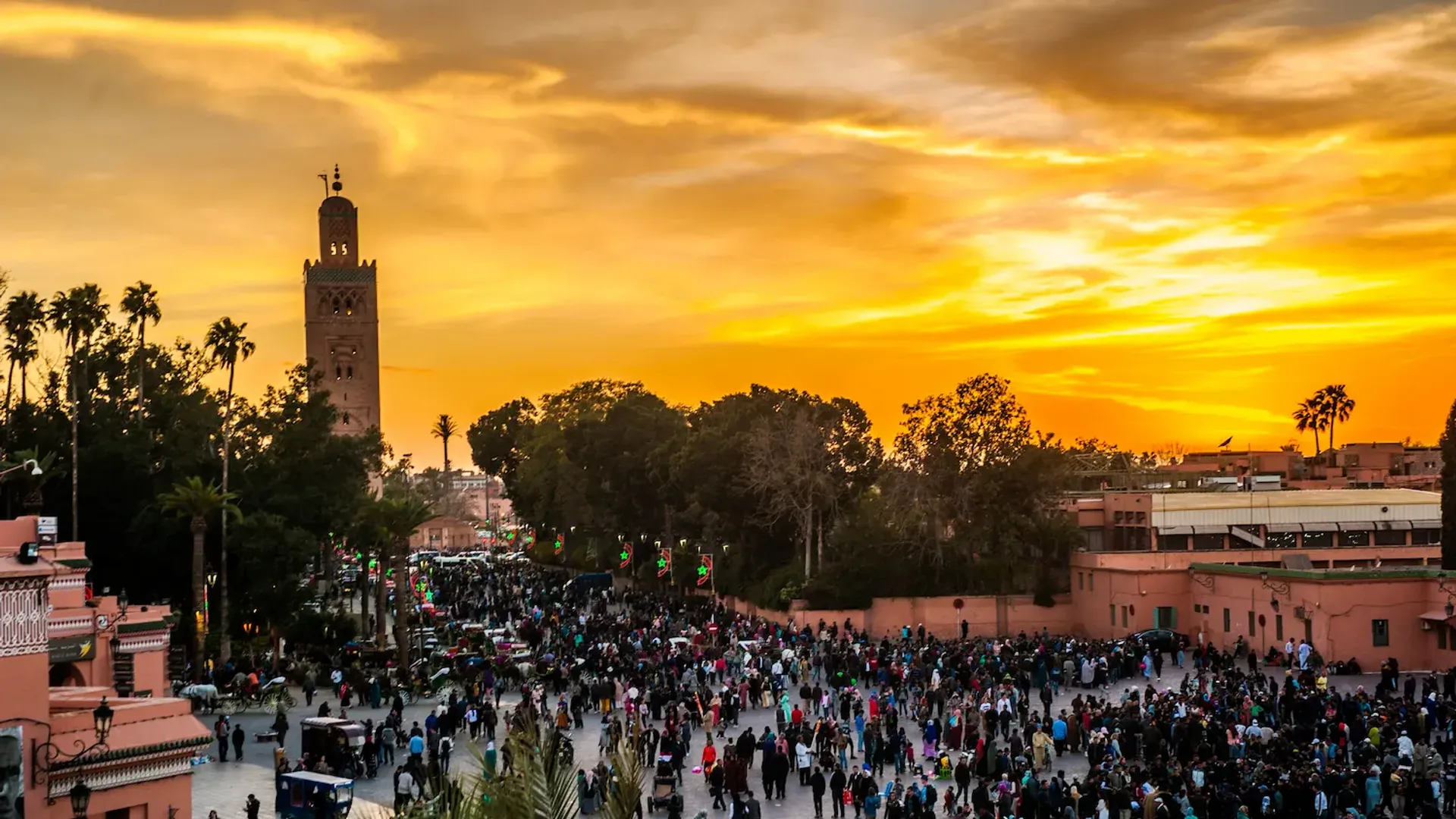
- Henna ambush. A woman grabs your hand in Jemaa el-Fnaa and starts drawing before you agree — then charges. Keep hands out of reach unless you genuinely want henna (then agree the price first).
- Taxi meters. Petit-taxi drivers "forgetting" the meter is the most common tourist tax in the country. Insist on "le compteur", or agree the fare before the door closes.
A general rule: agree every price in advance — taxis, guides, camel photos, all of it. Ambiguity is where every bad experience in Morocco begins.
Safety for Women Travellers
Thousands of women travel Morocco solo every year, and most report the same pattern: constant low-level attention — comments, "where are you from?", invitations to shops — that is wearing but almost never physical. What experienced travellers do:
- Dress modestly-ish: shoulders and knees covered draws noticeably less attention, especially outside Marrakech.
- Ignore rather than engage; a firm "la, shukran" (no, thank you) ends most approaches.
- Use riad-recommended drivers at night rather than walking unlit medina lanes.
- Sit in the front section of intercity buses or, better, skip shared transport entirely.
A private licensed guide changes the experience completely — the hustle simply stops when you are visibly accompanied by a local. Our Marrakech medina walking tours and Fes medina walking tours run with licensed local guides, and our private walking tours start at 900 MAD for one to four guests.
Health, Food and Water
Street food is one of Morocco's joys and is generally safe if you follow one rule: eat where locals queue and the turnover is fast. For water, most visitors stick to bottled or filtered water everywhere; city tap water is treated but changes in mineral content upset travel stomachs regardless. Skip ice in rural areas, peel fruit, and carry a basic rehydration kit in summer. Pharmacies are excellent, plentiful and used to tourists; pharmacists speak French and often English. For emergencies, dial 19 for police in cities (190 from mobiles) and 15 for ambulance.
Nervous about your first medina? Do day one with us. A private walking tour with a licensed local guide resets your radar — you will learn what is hustle, what is hospitality, and how to tell them apart for the rest of your trip. Free cancellation up to 48 hours before walking tours. Book a first-day walk.
Nature Is the Real Risk Register
The honest truth: the risks that occasionally hurt tourists in Morocco are not criminal, they are natural. Respect these five and you have covered the genuinely serious stuff.
- Flash floods at Ourika. The Ourika Valley's riverside cafés sit in an active riverbed, and flash floods after rain are a real, documented danger. If it has rained in the Atlas — or is about to — go another day.
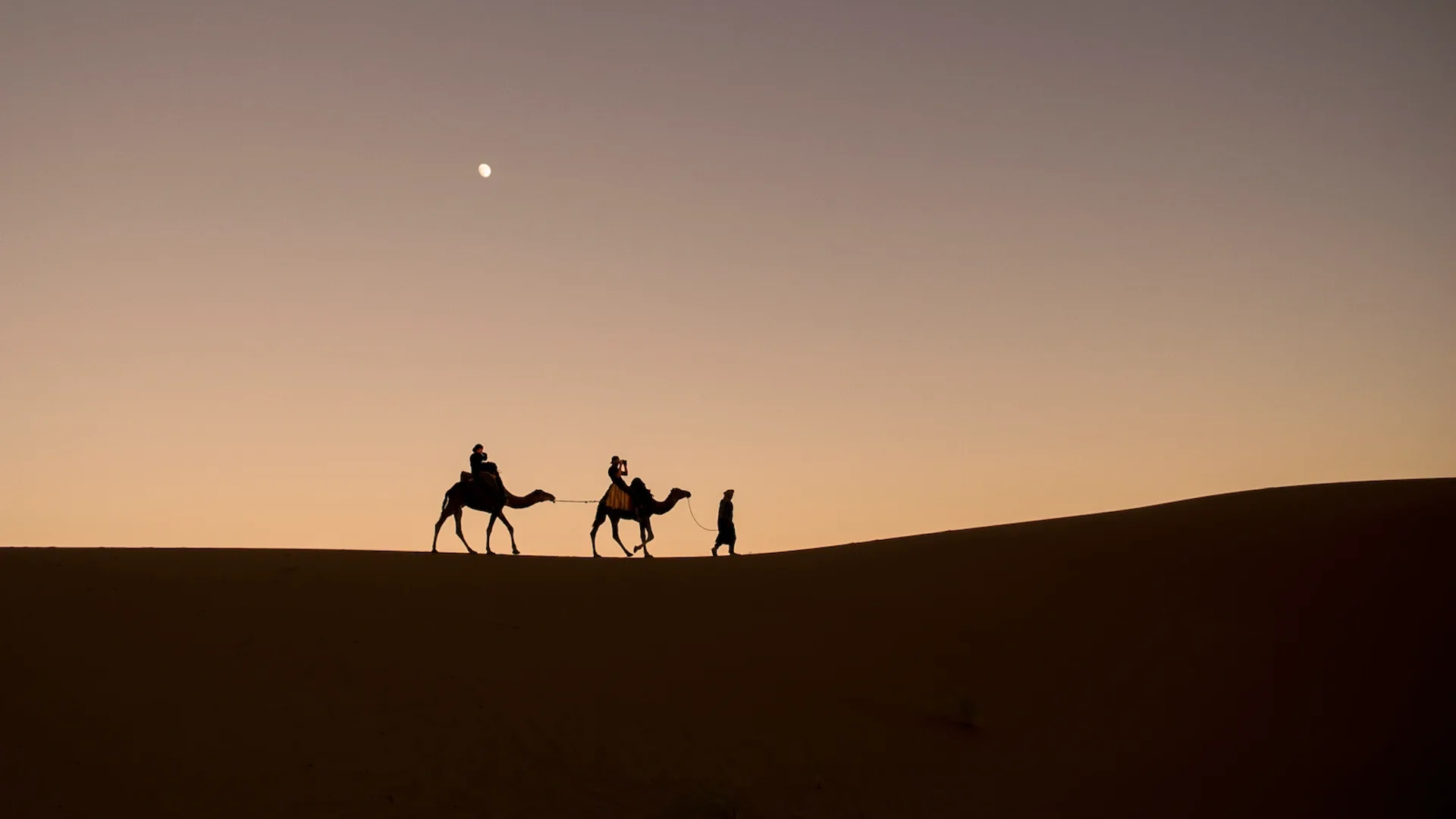
- Summer heat at Merzouga. In July and August the Sahara's midday heat is extreme. Desert activities run at dawn and dusk; treat 11 am to 4 pm as pool-and-shade time and drink far more water than feels necessary.
- Snow on the Tizi n'Tichka. The High Atlas pass to the desert can close after snowfall from November to March. Build a buffer day into winter desert routes rather than forcing a night drive.
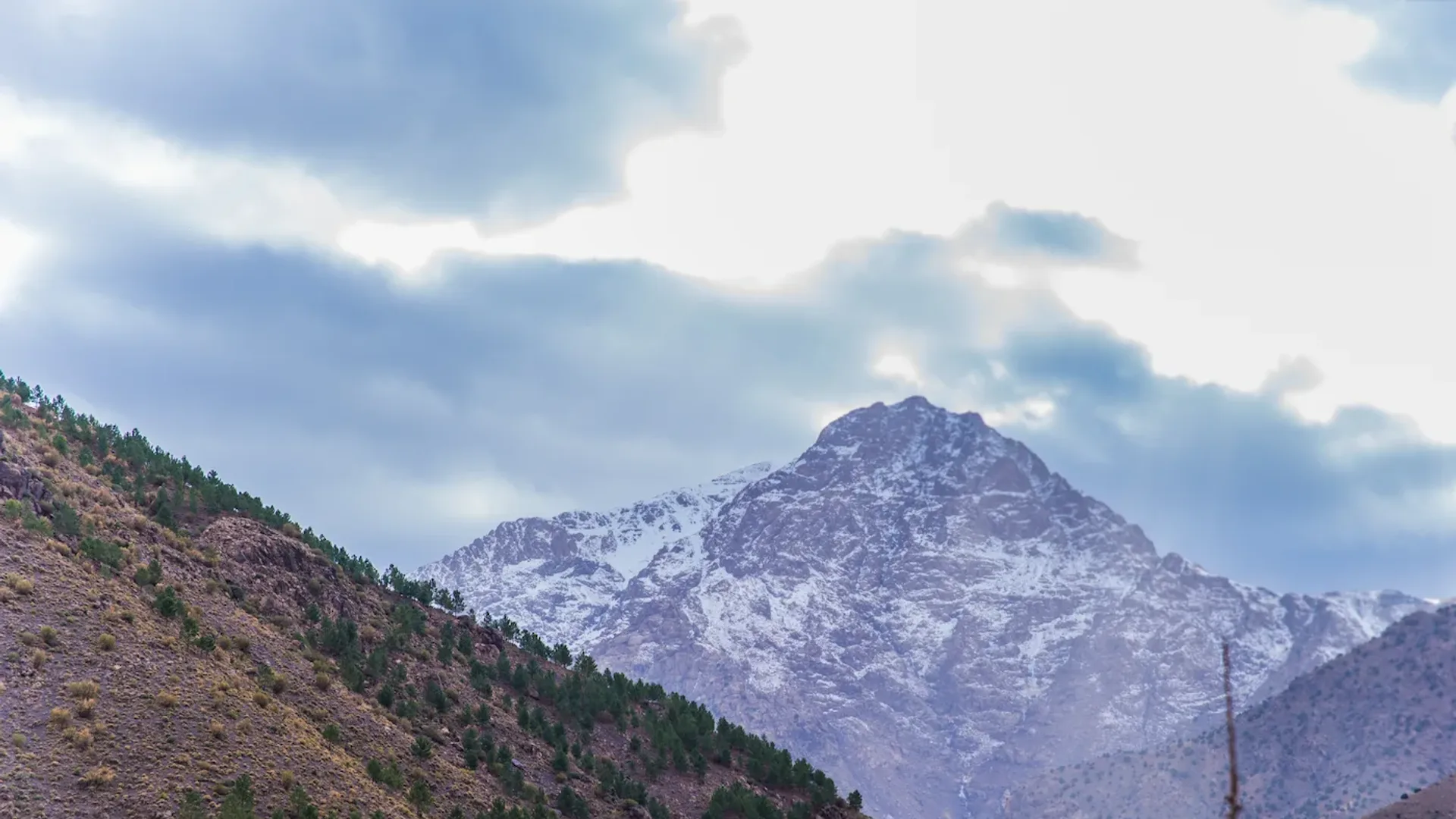
- Toubkal without a guide. Climbing North Africa's highest peak legally requires a licensed mountain guide — checkpoints at Imlil enforce it. Day hikes in the foothills on an Atlas private tour need no permit at all.
- The Ouzoud macaques. Comedy risk, but real: the Barbary macaques at Ouzoud Falls will snatch food from hands and open bags. Keep snacks zipped away and never hand-feed them.
Road safety deserves a mention too. Intercity roads are decent, but night driving in the mountains — livestock, unlit lorries, sharp drops — is where we draw the line. It is the single biggest reason travellers book a private driver rather than self-driving: our drivers know which stretches to clear before dark.
So, Should You Worry?
Keep the same street-sense you would use in any big city: no flashed valuables, agreed prices, licensed guides, and respect for weather in the mountains and desert. Do that and Morocco is not just safe — it is one of the friendliest countries you will ever travel. For context on when weather risks apply, see our best time to visit Morocco guide.
FAQ
Is Marrakech safe at night?
The Jemaa el-Fnaa area and main souk arteries are busy and well-patrolled until late. Deep medina lanes empty out after 10 pm — take a taxi or a riad-arranged transfer rather than navigating dark alleys, mainly to avoid getting lost.
Is Morocco safe for solo female travellers?
Yes, with the caveats above: expect verbal attention, dress modestly, and consider a licensed guide for the first medina day. Physical harassment of tourists is rare and taken seriously by police.
Can you drink tap water in Morocco?
Most visitors choose bottled or filtered water throughout the trip. City tap water is treated, but the change alone can upset your stomach — not worth testing on a one-week holiday.
Is the Sahara desert trip safe?
Very, with a reputable operator: the Merzouga camps are established, drivers know the routes, and the main risks are seasonal (extreme midday heat in July–August, cold nights in winter, possible pass closures after snow from November to March). See how it slots into a route in our Morocco itinerary guide.
Do I need travel insurance for Morocco?
Yes — as for any destination. Private clinics in major cities are good, and insurance means you can use them without hesitation.