Moroccan Riads: What They Are and Where to Stay (2026)
A riad is a traditional Moroccan courtyard house — rooms wrapped around an open-air patio, usually with a fountain below and a roof terrace above — and choosing the right one will shape your trip more than any restaurant booking or flight upgrade. Here's what riads actually are, how they differ from hotels, and where to stay city by city.
What a Riad Actually Is
The word comes from the Arabic riyad, meaning garden: strictly, a riad is a courtyard house with an interior garden, while a dar is the same idea without one. In practice, both are now marketed as 'riads'. The architecture is inward-facing — almost no windows on the street, everything oriented onto the courtyard — which is why a plain door in a dusty alley can open onto zellige tilework, carved cedar and birdsong.
Most riads you can book today are historic family homes restored into guesthouses of five to twelve rooms, run by a small team who cook breakfast, pour mint tea on arrival, and know the medina like family. That scale is the point: it is closer to staying with well-connected friends than checking into a hotel.
Riad vs Hotel: The Honest Trade-offs
Riads win on character, breakfast, hosts and value-for-charm — nothing at an equivalent hotel price comes close to a courtyard suite under a 300-year-old ceiling. But go in with clear eyes about the trade-offs. There is rarely a lift, and stairs are steep; sound carries in a courtyard, so light sleepers should ask for a room away from the patio; the 'pool' is usually a plunge pool, not somewhere to swim lengths; and cars cannot reach the door — you will walk the last few minutes through the medina lanes.
None of these are problems if you expect them. Travellers with heavy luggage, limited mobility or a need for total silence may genuinely prefer a modern hotel in the new town — and that's a fine choice too.
Where to Stay, City by City
Marrakech has the deepest riad market in the country, from 600 MAD bargains to world-class addresses. Staying near Jemaa el-Fnaa puts you close to the action — the square comes alive at dusk — but a quieter derb ten minutes' walk away sleeps far better. Get your bearings on day one with a medina walking tour led by a licensed local guide.
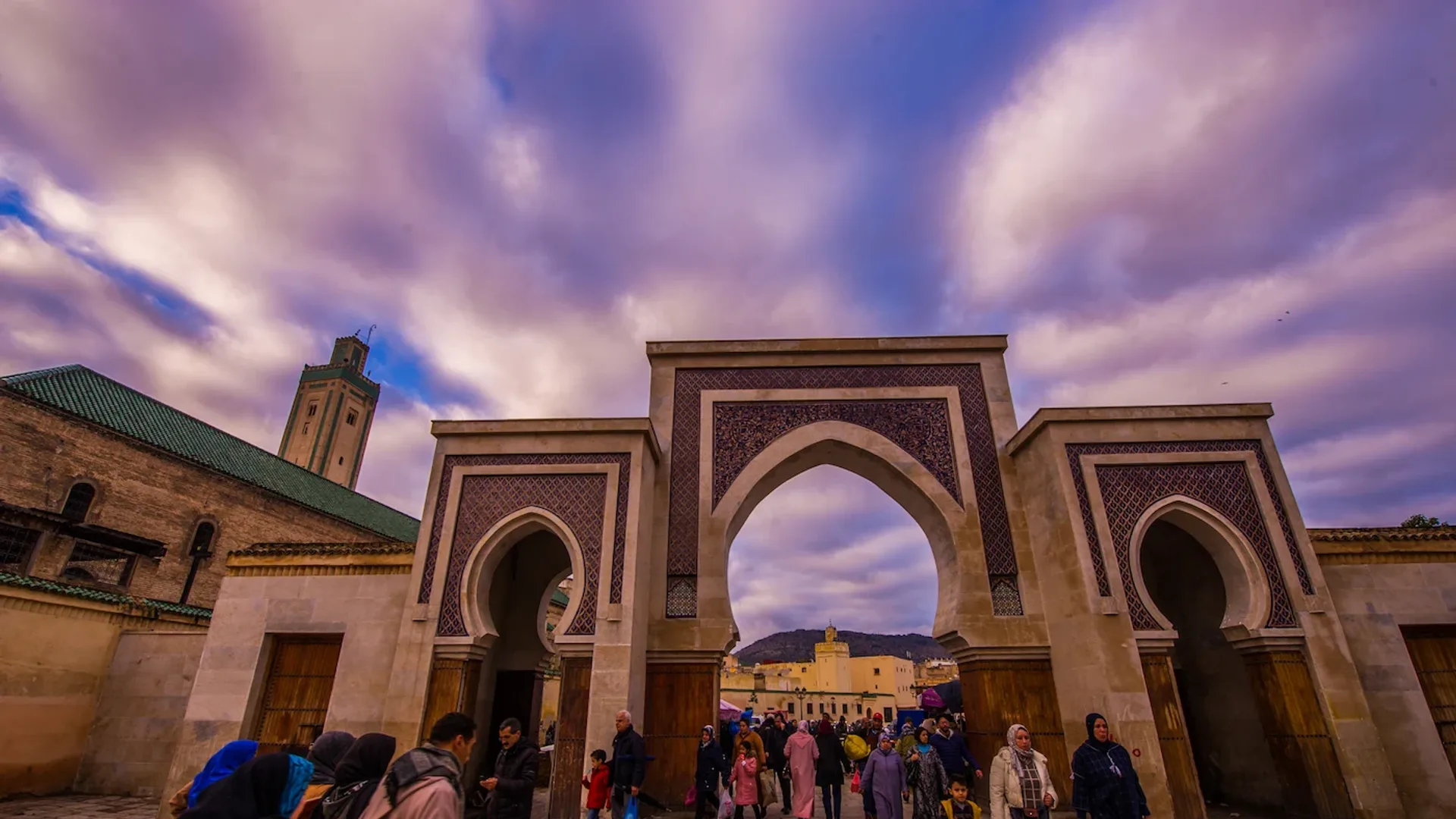
Fes offers the most atmospheric stays of all: palatial merchant houses inside the world's largest car-free medina. Lanes are steeper and navigation is harder than Marrakech, which is exactly why a guided private day in Fes pays for itself here.
Chefchaouen trades grandeur for charm — small blue-washed guesthouses with rooftop views over the Rif mountains. Book early; the good ones have only a handful of rooms. Pair your stay with a Chefchaouen day tour if you're basing elsewhere.
Essaouira is the easy mode: a flat, compact, breezy medina where riads come with ocean air and seagull soundtracks. It's the gentlest introduction to medina life — see our Essaouira tours for day-trip and overnight options.
Not sure which city fits your trip? Tell us your dates and travel style on WhatsApp and we'll suggest a route, plus riads we trust at your budget — no obligation, book direct when ready. Ask us anything.
What to Pay in 2026
Rough bands per night, breakfast almost always included: 500–900 MAD for simple, clean, family-run places; 1,000–2,500 MAD for the boutique sweet spot with beautiful rooms and rooftop breakfasts; 3,000 MAD and up for top-end riads with hammams, plunge pools and serious kitchens — the tier covered in our Morocco luxury tours guide. One winter note: medina houses are stone and tile, and December–February nights get cold. Ask specifically about heating before booking a winter stay.
Arrival and Practical Notes
Taxis and private drivers stop at the nearest medina gate, and the riad sends someone to walk you in — message them your arrival time on WhatsApp the day before. Porters with handcarts move luggage for 20–50 MAD; pack a bag you can wheel or carry for five minutes over uneven ground. Once settled, note the medina's rhythm: souks go quiet around Friday midday for prayers, which makes Friday morning one of the calmest times to wander photogenic lanes. Our honeymoon couples often base the whole trip around riads — see the Morocco honeymoon itinerary for how they fit a 10-day route.
Moroccan Riad FAQs
What's the difference between a riad and a dar?
A riad has an interior garden or planted courtyard; a dar is a courtyard house without one. Commercially the terms have blurred, and 'riad' now covers both. What matters when booking is photos of the actual room, the courtyard and the roof terrace.
Are riads suitable for children?
Often, but ask first. Courtyard plunge pools are usually unfenced, staircases are steep and open, and some small riads set minimum ages to protect the quiet. Family-friendly riads do exist in every city — we're happy to point you to ones we know.
Do riads have air conditioning and heating?
Most mid-range and up riads have air conditioning in the rooms; heating is less universal and matters more than travellers expect from December to February. Confirm both before booking, especially in Fes and Chefchaouen where nights run cold.
Should a first-time visitor stay in a riad or a hotel?
Stay in a riad for at least part of the trip — it is a defining Morocco experience, not just accommodation. If mobility, luggage or noise are concerns, split the stay: riad in the medina first, modern hotel for the final night before your flight.