Morocco Travel Guide: First-Timer Essentials
Morocco is close, affordable and visa-free for most visitors — yet it works differently enough from Europe or North America that first-timers tend to make the same handful of mistakes. This guide covers the essentials: money, etiquette, getting around, what to book ahead, and the pitfalls that cost people a day of their holiday.
Everything below comes from the drivers and licensed guides who run our tours daily. It is the briefing we give our own guests before pickup.
Before you fly: visas, money, phones
Most Western passports (UK, EU, US, Canada, Australia and others) enter visa-free for up to 90 days — check your own nationality before booking. The dirham (MAD) is a closed currency, so do not expect to buy it at home; withdraw cash from an airport or city ATM on arrival. Cards are accepted in riads, mid-range restaurants and supermarkets, but the souks, food stalls and taxis run on cash — keep small notes. For data, an eSIM or a local SIM from Maroc Telecom, Orange or inwi is cheap and quick to set up at the airport. WhatsApp is how Morocco communicates — hotels, drivers, guides, everyone — which is why our own support runs on it too.
Where to go on a first trip
Do not try to see the whole country in a week. Two proven first-trip shapes:
- Marrakech plus one contrast. Three or four nights in Marrakech, then the Atlas foothills or the coast at Essaouira. Compact, low-stress, big variety.
- The classic loop. Marrakech, over the Atlas to the desert, then up to Fes — ten days or more. The strongest all-round introduction to the country.
If you arrive via Tangier, the blue town of Chefchaouen slots in naturally. Casablanca is worth half a day, mainly for the Hassan II Mosque — and note that non-Muslims can only enter on the official guided tour slots, so check the times before you build a day around it.
Etiquette that actually matters
Morocco is relaxed with visitors, and nobody expects you to know every custom. A few things genuinely help. Dress modestly outside beach resorts — shoulders and knees covered goes a long way, for men as well as women. Ask before photographing people, especially market traders and performers; some will expect a small tip. Hand over money and food with your right hand. Haggling in the souks is normal and good-natured: counter at roughly half the opening price and keep it friendly — walking away politely is part of the game.
Two timing points catch people out. Friday is the holy day, and souks go quiet around Friday midday prayers — plan gardens, museums or a long lunch for that window. And Ramadan shifts about 11 days earlier each year, so check whether it overlaps your dates; the country functions normally, but eat and drink discreetly in public during daylight and expect magical, busy evenings.
Getting around
Between the big cities, take the train: the Tangier–Casablanca Al Boraq high-speed line and the classic lines to Fes and Marrakech are comfortable and cheap. Within cities, use petit taxis and insist on the meter. For the mountains, waterfalls and desert — anywhere the trains do not go — a private driver is the easiest option by far. Our driver tours are priced per vehicle, not per person, capped at nine guests; Atlas Mountains day trips from Marrakech start at 2,600 MAD per vehicle, and the vehicle is yours for the day, so the itinerary bends to you.
First trip and short on time? Tell us your arrival city and dates on WhatsApp and we'll map out a realistic route within 24 hours. Book direct — free cancellation up to 24 hours before driver tours, 48 hours before walking tours. Get in touch
What to book ahead
Morocco rewards spontaneity, but a short list genuinely needs advance booking:
- Jardin Majorelle and the YSL Museum (Marrakech). Online timed tickets only — they sell out in high season, and the YSL Museum is closed on Wednesdays.
- Hassan II Mosque (Casablanca). The official guided tour slots fill up; check the day's schedule.
- Riads in spring, autumn and holiday weeks. The best small houses have five to ten rooms and go early.
- Desert trips. Camps and drivers book out around Easter and October half-terms.
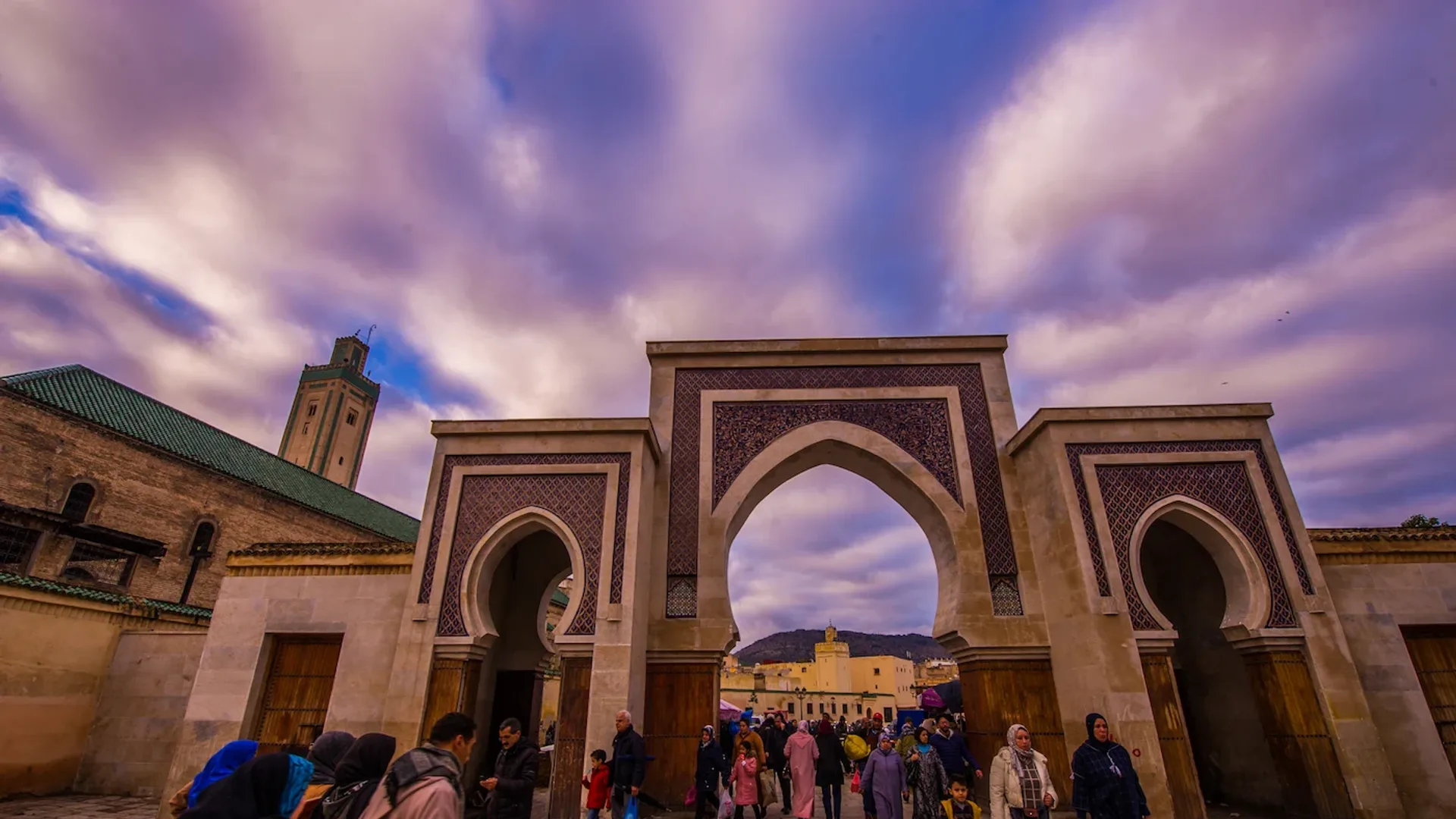
- Guided walking tours. A licensed local guide transforms a first medina visit from stressful to fascinating. Our Marrakech medina walking tour and Fes medina walking tour are private walking tours that start at 900 MAD for one to four guests.
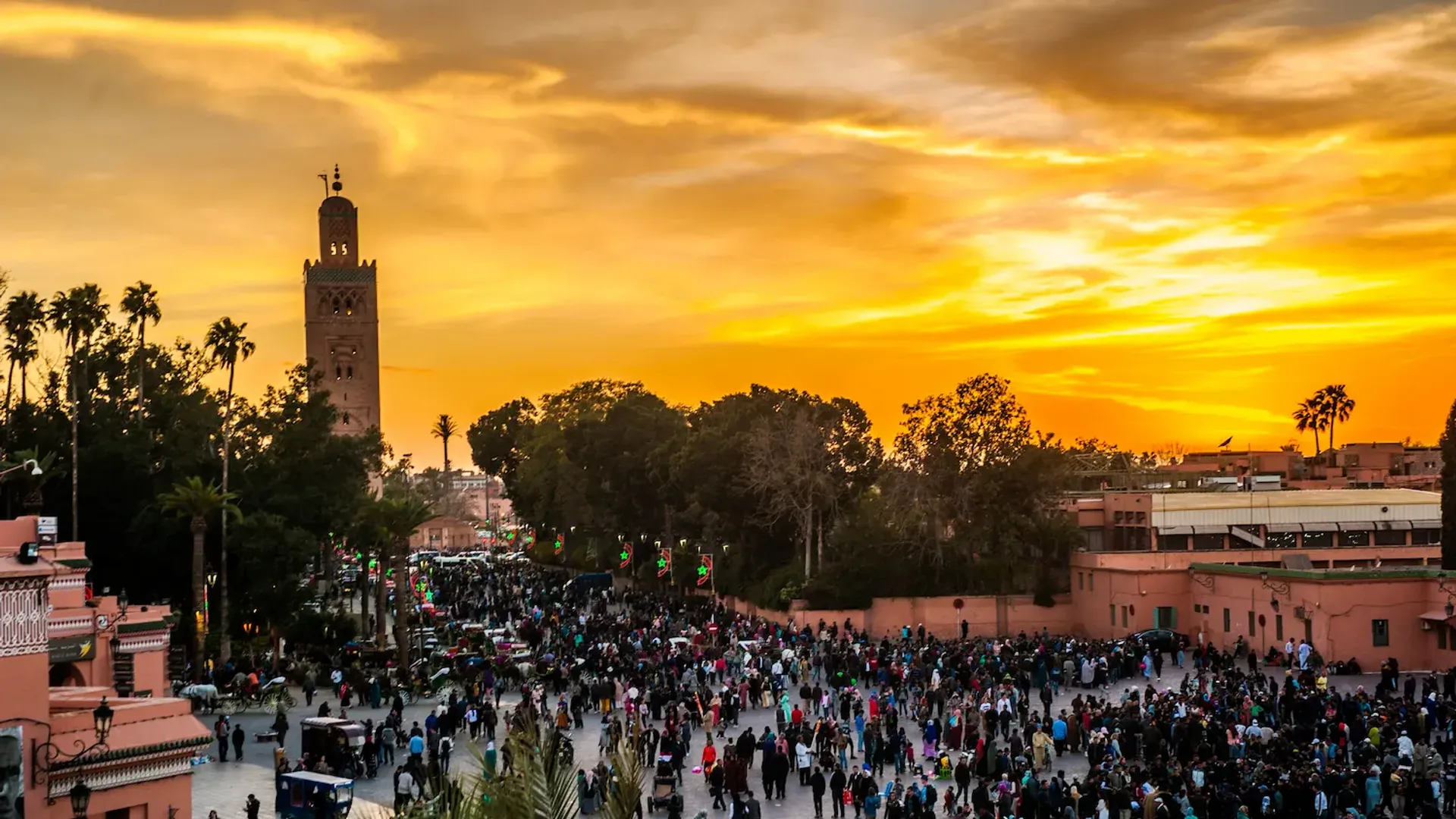
One more timing tip: in Fes, visit the Chouara tannery in the morning, when the dye pits are working and the light is best. And in Marrakech, hold Jemaa el-Fnaa for dusk — the square only comes alive as the food stalls and musicians set up in the evening.
Staying safe and avoiding the classic mistakes
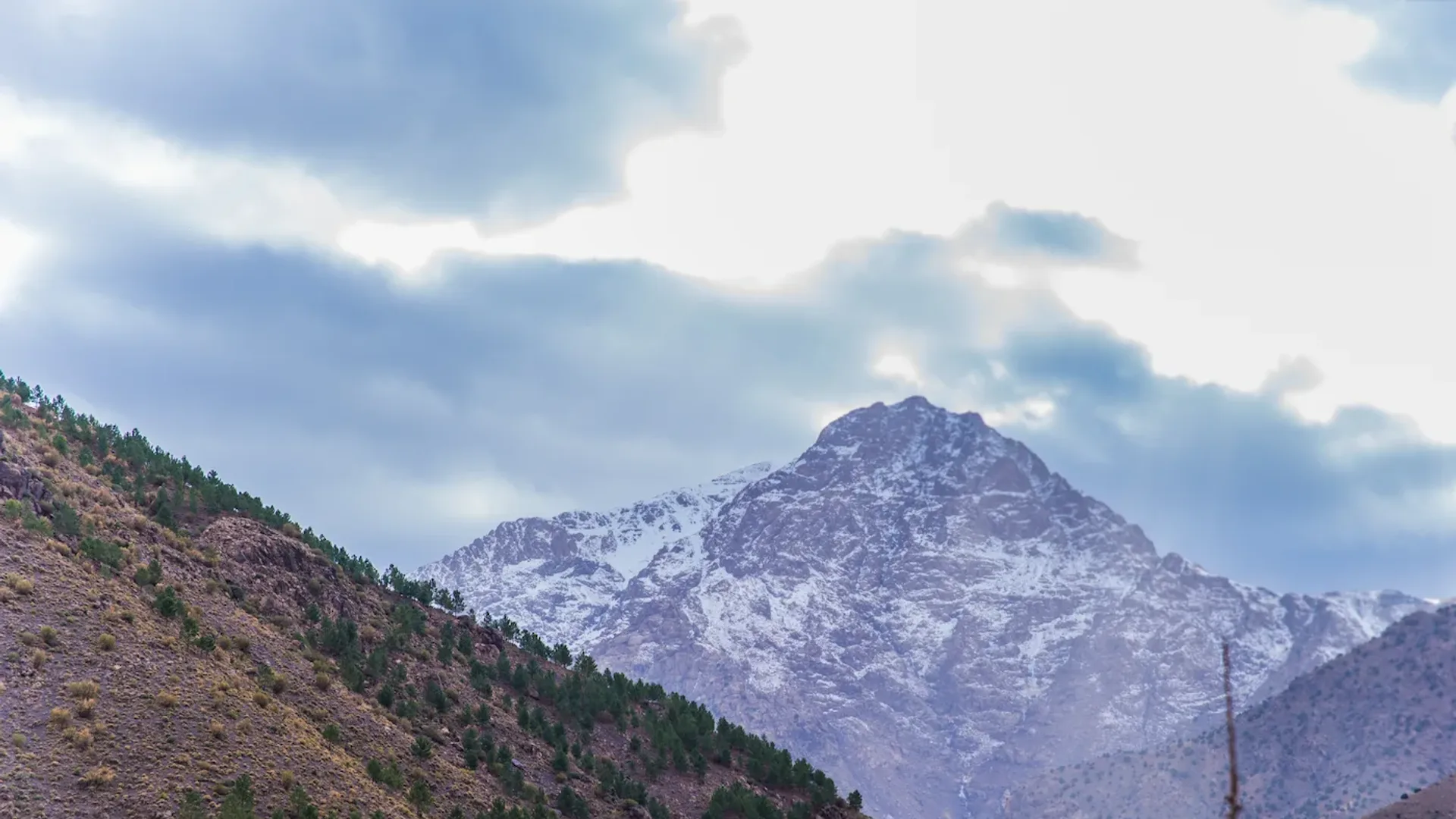
Morocco is a safe country for tourists by any reasonable measure. The problems visitors actually encounter are small and avoidable. Drink bottled or filtered water. Eat street food where the turnover is fast and the locals are queuing. Decline unofficial 'guides' who attach themselves in the medina — licensed guides carry official badges, and 'it's closed, follow me' is the oldest trick in the book. A few regional notes: the Ourika Valley's riverside cafés are lovely, but the riverbed carries a real flash-flood risk after rain, so respect local warnings; at the Ouzoud waterfalls the macaques will snatch unattended food; and Mount Toubkal can only be climbed with a licensed guide — this is a legal requirement, not a suggestion.
Still deciding whether Morocco is the right pick this year? Our Morocco vs Egypt comparison tackles that question honestly, and our costs and budgets guide puts real numbers on the trip.
Frequently asked questions
Do I need a visa for Morocco?
Most Western nationalities — including the UK, EU states, the US, Canada and Australia — enter visa-free for up to 90 days with a passport valid for the length of stay. Rules change, so confirm with official sources for your nationality before you travel.
Is Morocco safe for first-time visitors?
Yes. Violent crime against tourists is rare. The realistic issues are pickpocketing in crowded souks, overcharging and persistent touts — all managed with normal awareness, agreed prices up front, and a polite, firm no. Solo female travellers visit in large numbers; modest dress reduces unwanted attention.
What should I wear in Morocco?
Lightweight clothing that covers shoulders and knees works everywhere and earns respect in return. Add a warm layer for desert nights and mountain mornings — even in summer the temperature swing surprises people — and shoes you can walk cobbles in.
How many days do I need for a first trip?
Five days covers Marrakech and a day trip well. Seven lets you add the coast or the Atlas. The full classic loop with the Sahara and Fes deserves ten or more. Whatever the length, plan fewer places and more depth — Morocco punishes rushed itineraries with long drives.