Morocco in Summer: Beating the Heat
Summer splits Morocco in two. In July and August, Marrakech and Fes regularly push past 40°C, while Essaouira on the Atlantic holds a breezy 24°C all season. A good summer trip is not about enduring the heat — it is about routing around it: coast and mountains by day, medinas early and after dusk, and the deep desert saved for another season.
This guide gives you the honest numbers, the escapes that actually work and the day-structure that makes even Marrakech in August enjoyable. If your dates are flexible, compare with Morocco in autumn — most of summer's trade-offs simply disappear in October.
The honest numbers
Inland Morocco in high summer is seriously hot. Marrakech averages around 37–38°C in July and August and can spike towards 45°C when the chergui — the hot wind off the Sahara — blows. Fes and Meknes run similar. It is a dry heat, which helps more than people expect, and evenings settle to a very pleasant 24–26°C.
The coast is a different planet. Essaouira rarely climbs above 26°C thanks to steady Atlantic trade winds; Agadir sits around 26–28°C; Tangier and the north hover around 28–30°C with sea breezes. The High Atlas valleys run a good 8–10°C cooler than Marrakech. And Merzouga? Extreme — more on that below.
The coastal escape
Morocco's Atlantic coast was made for summer, and Moroccans know it — half the country decamps there in August.
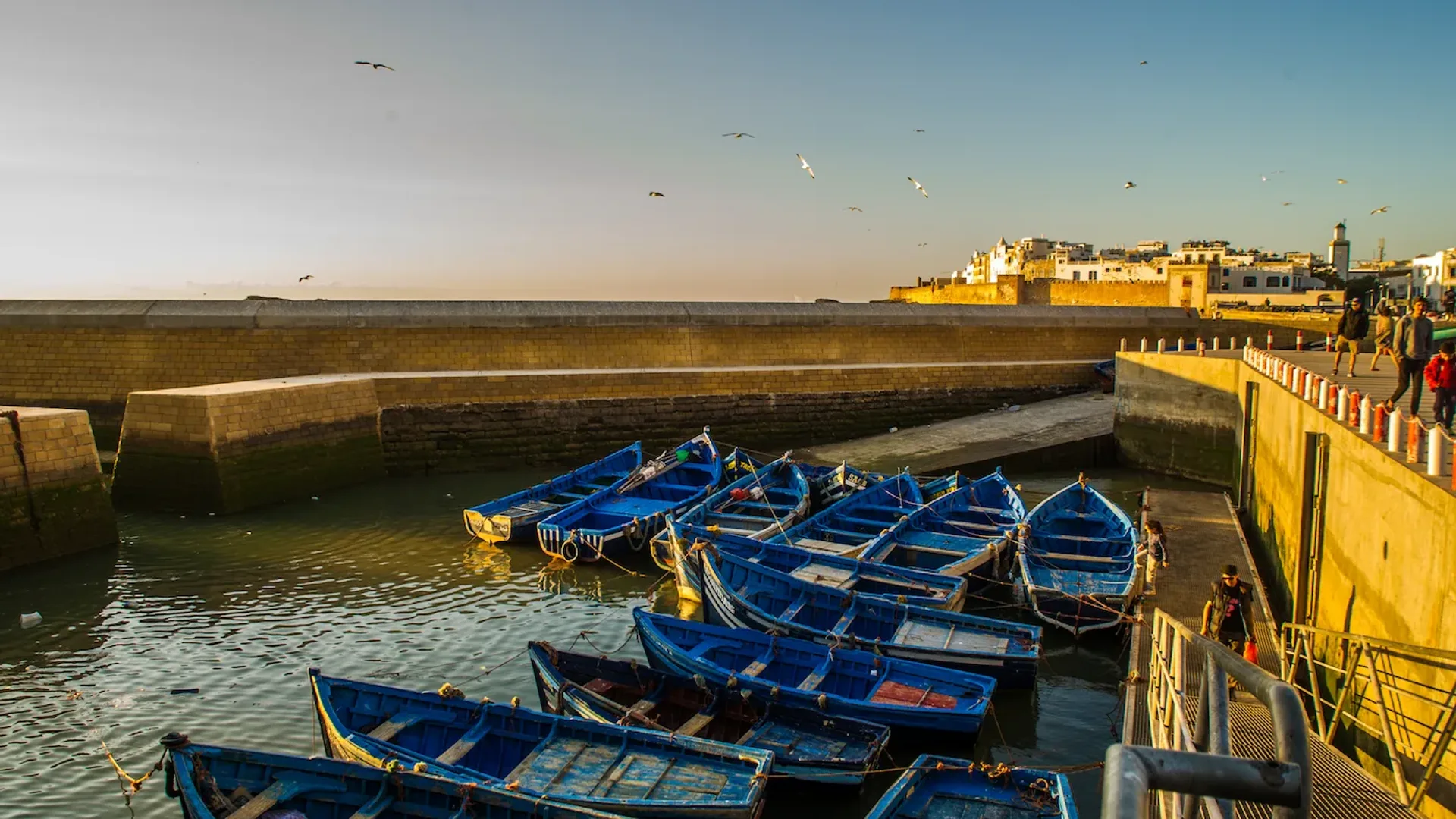
Essaouira is the star: a fortified medina, a working fishing port with grill shacks selling the morning's catch, long beaches and the alizé trade winds that make it one of Africa's windsurfing and kitesurfing capitals. It stays genuinely cool while Marrakech bakes. Our private Essaouira tours start at 2,900 MAD per vehicle, and the drive through the argan groves — complete with tree-climbing goats — is part of the day.
Agadir brings the big-resort version: a wide crescent of beach, a modern seafront and reliable sunshine. Agadir tours start at 2,400 MAD per vehicle. Further north, Tangier catches breezes off the Strait and makes a fine summer base for the north.
Structuring an inland day
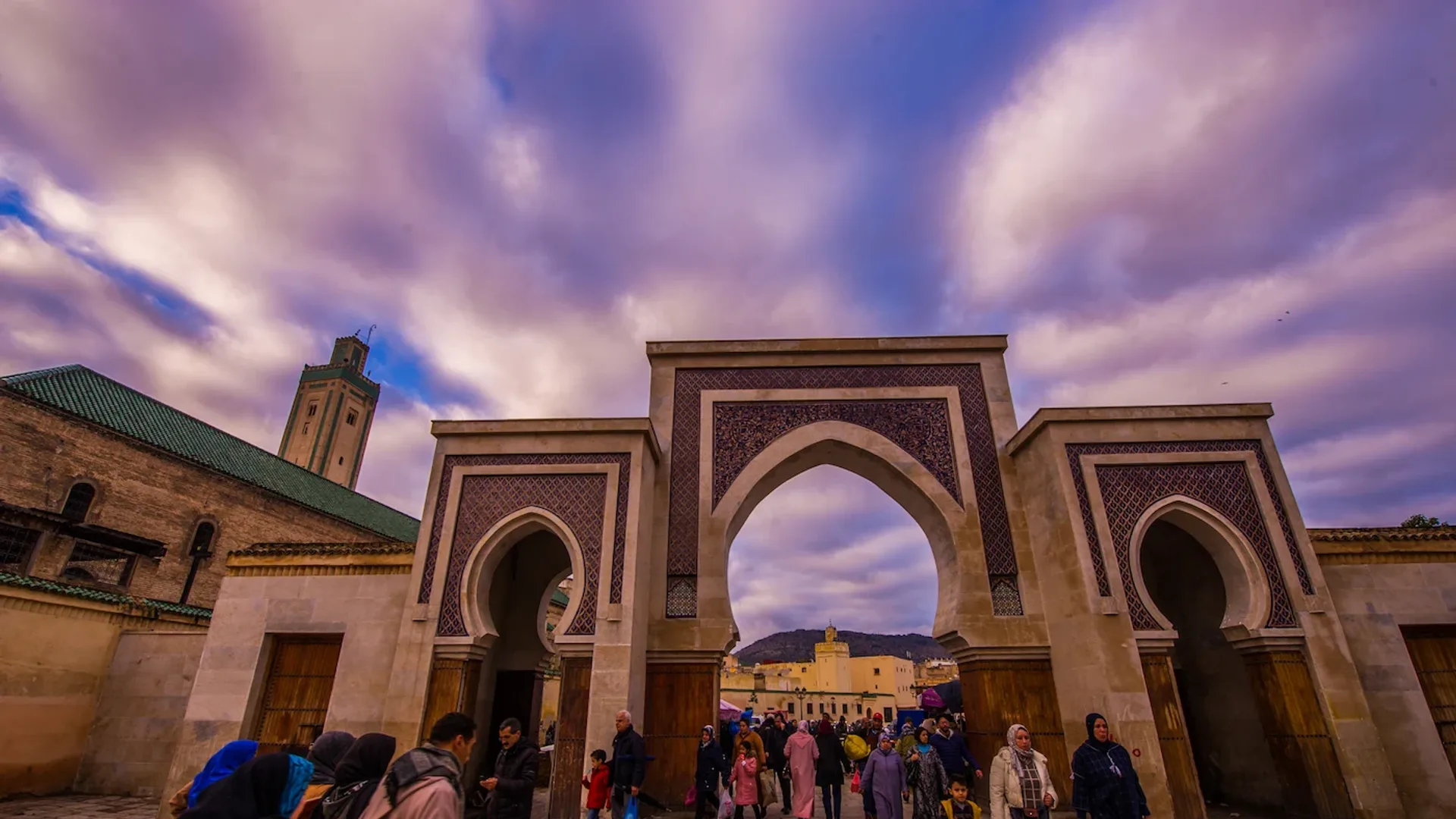
Marrakech and Fes in summer reward an old rhythm: out early, rest at midday, out again at five.
- Morning (8am–noon): do your headline sight first. The covered souks stay surprisingly shaded, and gardens are best at opening. Jardin Majorelle sells online timed tickets — book the earliest slot, and note the YSL museum next door is closed on Wednesdays.
- Midday (noon–5pm): retreat without guilt. Pool, hammam, long lunch, siesta — this is exactly what riads are built for. Fridays make an easy rest window anyway, since souks run quiet around Friday midday prayers.
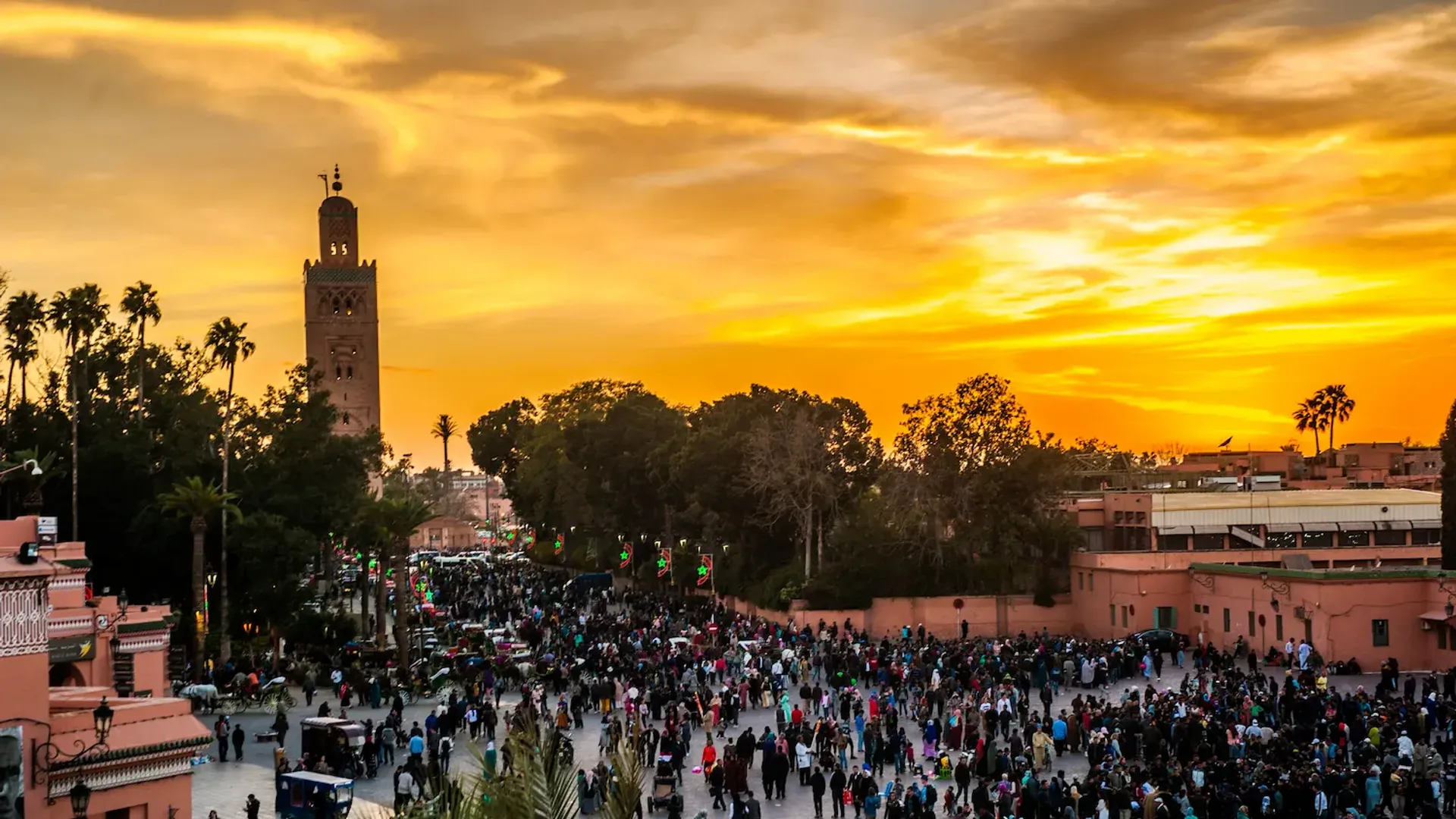
- Evening (5pm onwards): the city switches back on. Jemaa el-Fnaa comes alive at dusk — food stalls, musicians, storytellers, the whole theatre — and evening temperatures are genuinely comfortable.
Our Marrakech private tours start at 2,500 MAD per vehicle, and in summer the air-conditioned vehicle between stops is what keeps the day civilised. Walking tours shift to morning departures with a licensed local guide; walking tours start at 900 MAD for one to four guests.
Head for the hills: Ourika and Ouzoud
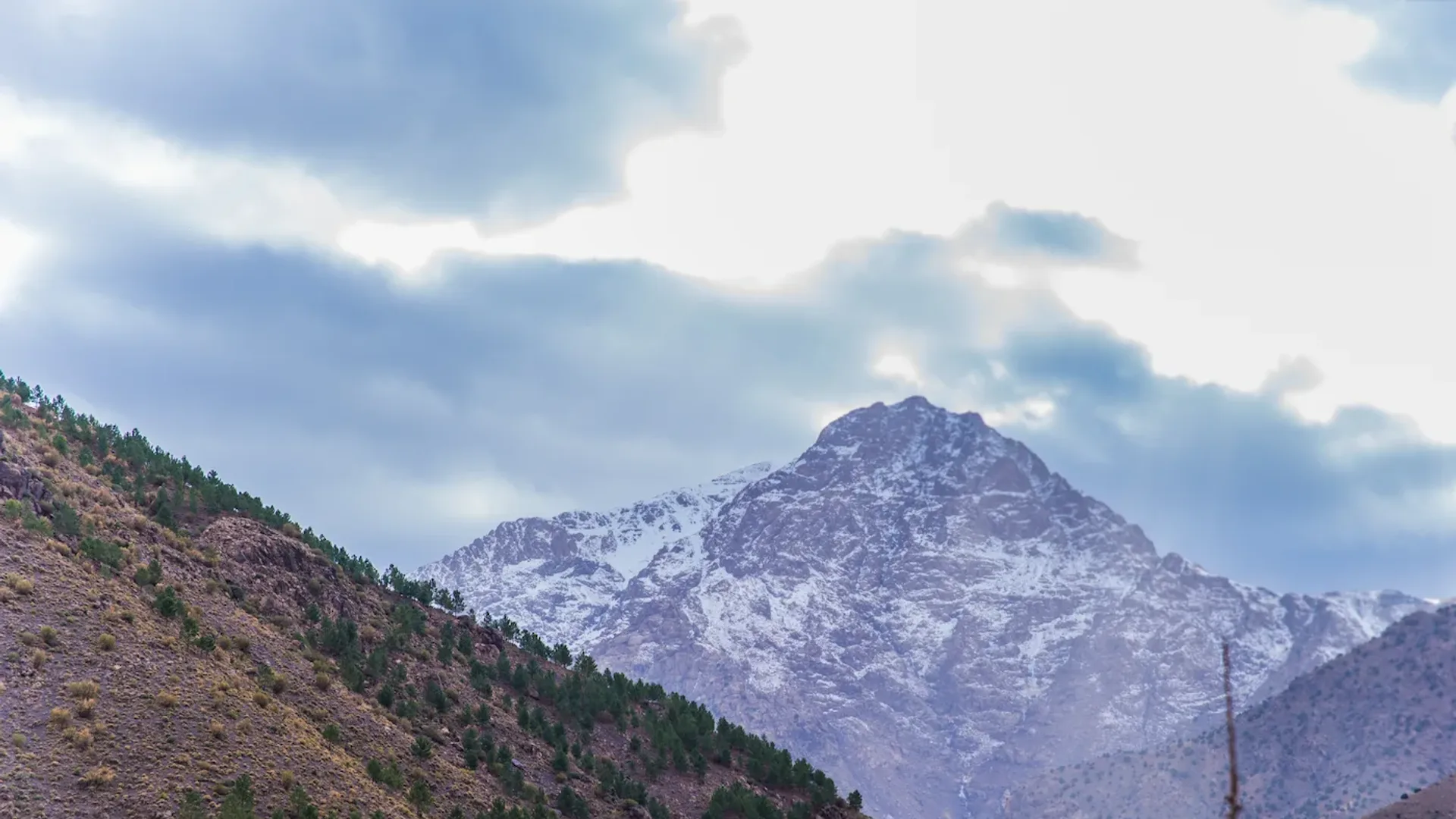
The Atlas valleys are Marrakech's traditional summer escape, barely an hour from the city. The Ourika Valley is lined with riverside terraces where you eat tagine with your feet nearly in the water — Ourika tours start at 2,400 MAD per vehicle. One serious note: the Ourika riverbed carries real flash-flood risk after rain, including storms that fall upstream out of sight, so follow your guide's lead and stay out of the channel when the weather has turned.
Ouzoud is the other classic: 110-metre falls, plunge pools, rainbows in the spray and boat rides under the cascade. Ouzoud tours start at 2,800 MAD per vehicle. Watch the resident Barbary macaques — they are professional food thieves, so keep snacks zipped away and skip the hand-feeding.
Travelling in July or August? Tell us your dates on WhatsApp and we'll build a heat-smart private itinerary — early starts, coastal and mountain days, air-conditioned vehicle throughout, and free cancellation up to 24 hours before pickup on driver tours. Plan my summer trip.
The Sahara question
Here is the honest answer: Merzouga in July and August is extreme, with midday heat well past 45°C on the sand. Camps still operate and desert trips still run, but everything compresses into dawn and dusk, and the long drive means spending the hottest hours in transit. If the dunes are the heart of your trip, we would genuinely rather you came in October — see Morocco in autumn — or took winter's empty-desert window instead (Morocco in winter). If summer is your only chance and the desert is non-negotiable, we plan it hard: pre-dawn dune time, sunset camel trek, and a hotel with a pool rather than a basic tent for the midday hours.
Summer practicalities
Drink more water than feels reasonable — the dry air hides how much you lose. Wear loose, light-coloured cotton and a real sun hat, and book accommodation with a pool; in August it earns its keep daily. August is also Moroccan holiday season, so the coast is at its liveliest and beach-town hotels fill early — reserve Essaouira and Agadir stays well ahead. Casablanca stays temperate too, and the Hassan II Mosque interior — which non-Muslims can visit only on the official guided tour slots — makes a spectacular, cool late-morning stop.
Frequently asked questions
How hot does Marrakech get in August?
Average highs sit around 37–38°C, with heatwave spikes towards 45°C when desert winds blow. It is a dry heat, and evenings drop to a comfortable 24–26°C — the city is very liveable if you rest between noon and five.
Is the Sahara worth visiting in summer?
July and August are the hardest months — midday heat at Merzouga is extreme and compresses everything into dawn and dusk. It can be done with careful planning, but if your dates are flexible at all, October to April is far better.
Where is the coolest place in Morocco in summer?
Essaouira, where Atlantic trade winds hold temperatures around 24–26°C all summer. The High Atlas valleys such as Ourika also run roughly 8–10°C cooler than Marrakech.
Is everything open in Morocco in summer?
Yes — summer is a normal working season and a domestic holiday peak. Souks run quiet around Friday midday prayers, and coastal hotels fill with Moroccan families in August, so book beach towns ahead.