Morocco in Autumn: The Insider Season
Ask people who plan Morocco trips for a living when they would travel themselves, and most will say October. September to November delivers spring's weather without spring's queues: a Sahara cooled back to perfect, seas still warm from summer, and medinas comfortable for all-day walking. Autumn is Morocco's insider season — here is how to use it, month by month.
If you are weighing it against the classic choice, our Morocco in spring guide covers the other headline season; the two are close cousins, and the differences come down to crowds, colour and the sea.
September: summer's edges soften
Early September is still summer inland — Marrakech can hold the mid-30s in the first half of the month — but the heat fades noticeably week by week. The coast, meanwhile, is at its absolute best: the Atlantic reaches its warmest of the year, around 21–22°C, the summer holiday crowds have gone home, and the surf season starts building around Taghazout, up the coast from Agadir. If you travel in September, lead with the coast and save the deep inland days for late in the trip.
October: the sweet spot
October is the month that wins. Marrakech runs 26–28°C by day with fresh 15°C evenings, Fes sits in the mid-20s, the coast holds around 24°C with a still-swimmable sea, and the desert has settled back to warm days and mild nights. It is the one month when every region of Morocco works on a single itinerary with no compromises — no heat management, no snow watch, no storm season — and crowds remain clearly below April's peak. If you can pick only one month for Morocco, pick October.
November: quiet, cool, still excellent
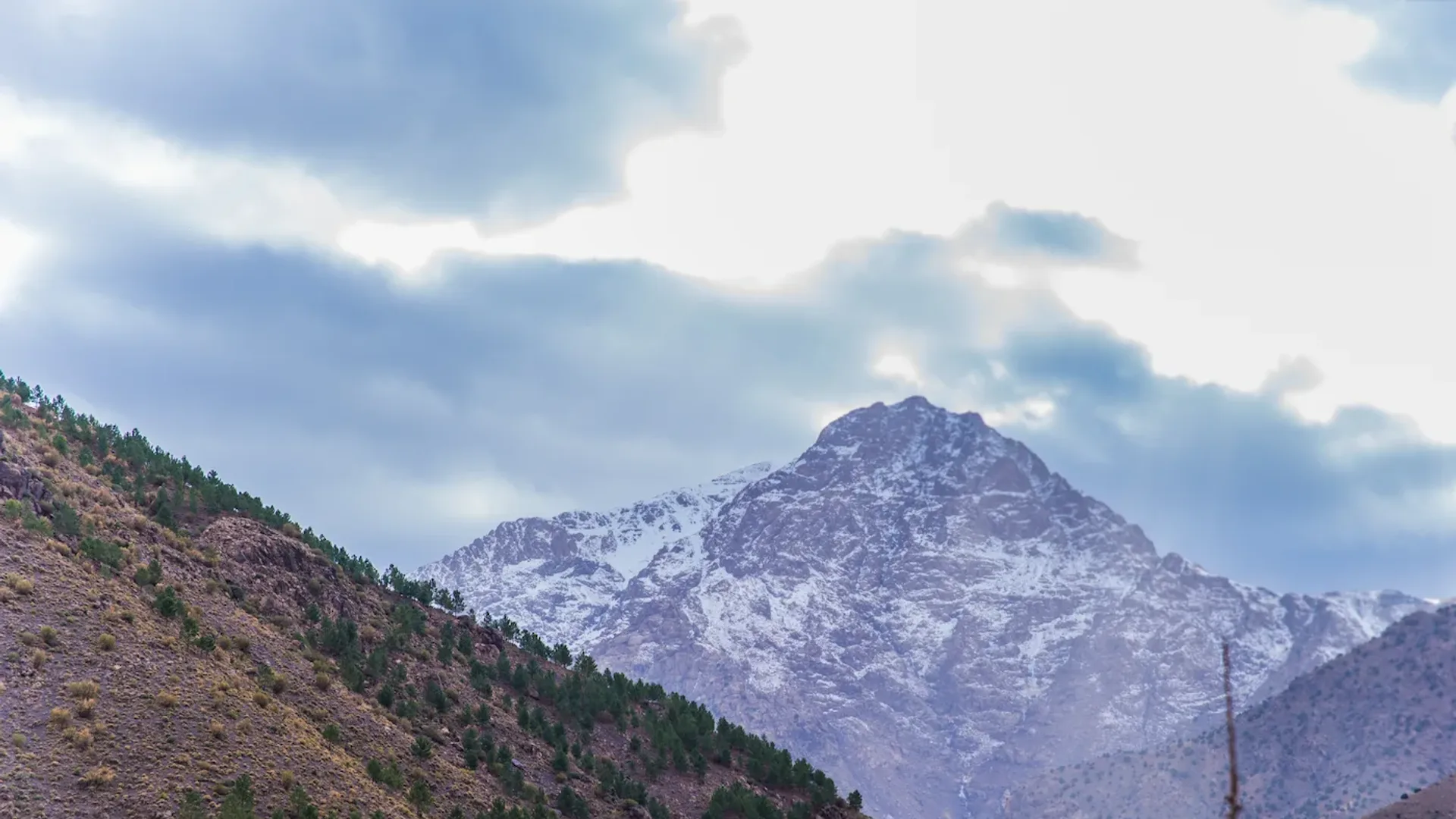
November trades a few degrees for near-empty sights and the softest prices before Christmas. Cities run about 20–22°C by day with genuinely cool evenings, the north starts its rainy season, and the desert pairs warm days with cold nights. One planning note: from late November the Tizi n'Tichka pass — the main road to the desert — can see its first snow closures of the season (its snow window runs November to March), so give a Sahara crossing a buffer day. November is effectively the run-in to the empty-desert window we cover in Morocco in winter.
The Sahara at its best
October and November are prime dune months: days in the high 20s to low 30s, nights that ask for a blanket rather than a battle, and clear, long-shadowed light that makes the dunes photograph like sculpture. October adds a bonus most visitors never hear about — the date harvest around Erfoud, when the palm oases fill with ladders and crates and fresh dates pile up in every souk on the route.
The journey out runs two days each way via Aït Benhaddou, the gorges and the desert valleys, and it is the best two days of driving in the country. Our Sahara Merzouga private tours start at 2,800 MAD per vehicle — one private vehicle for up to nine guests, your own pace throughout.
Thinking about an October trip? The insider season books up faster every year. Message us on WhatsApp with your dates and we'll send a private itinerary draft within 24 hours — book direct, per-vehicle pricing, free cancellation up to 24 hours before pickup on driver tours and 48 hours on walking tours. Start planning.
Fes and the medinas in comfort
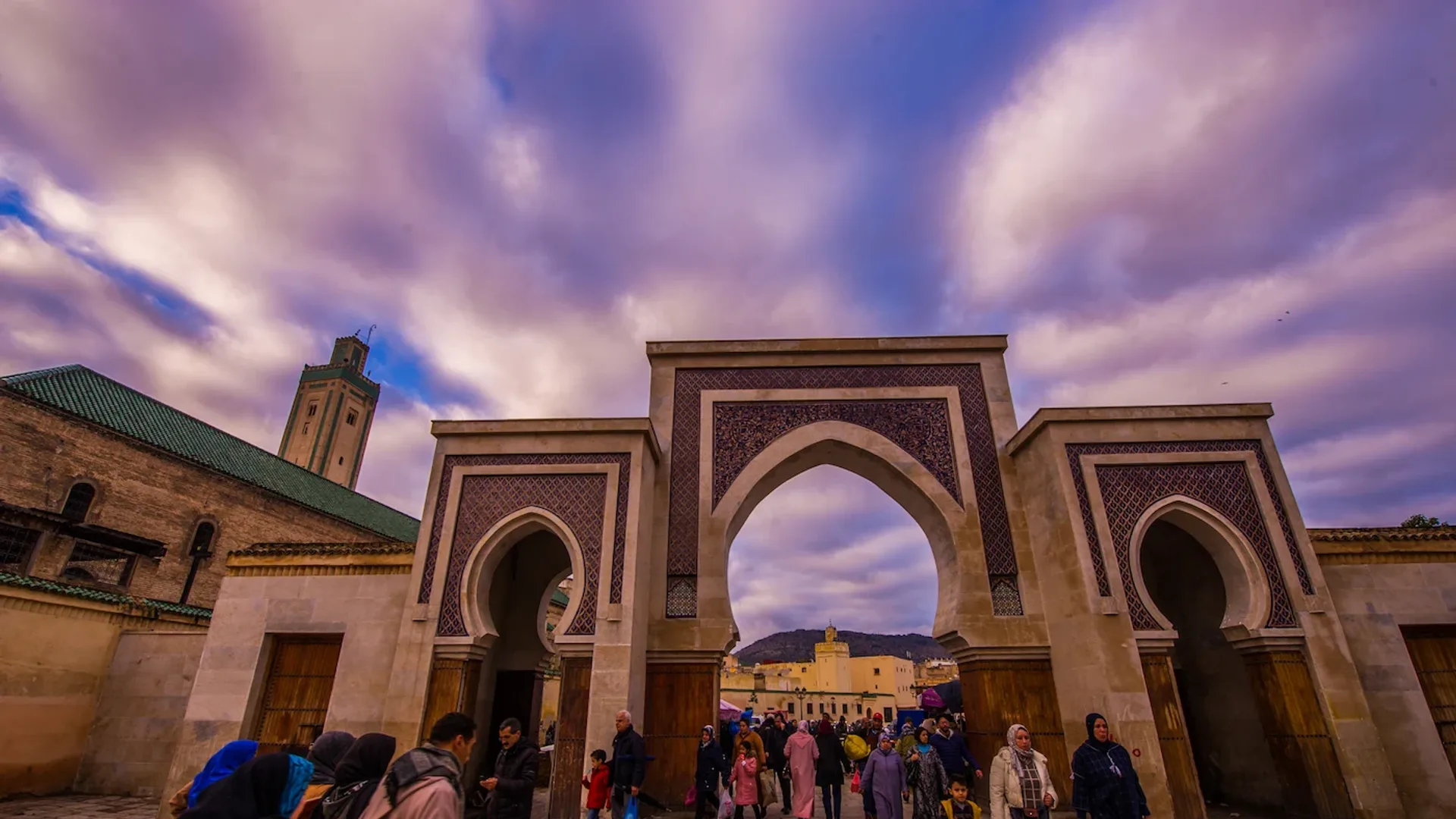
Autumn is prime medina weather, and nowhere benefits more than Fes — nine thousand alleys of the world's largest car-free urban area, best explored when you can walk all day without wilting. Go to the Chouara tannery in the morning: the light is right, the dye vats are freshly worked and the air is kinder. Our Fes private tours start at 2,500 MAD per vehicle for the full city sweep, or go deeper on foot with the Fes medina walking tour, led by a licensed local guide who actually grew up in those alleys — walking tours start at 900 MAD for one to four guests.
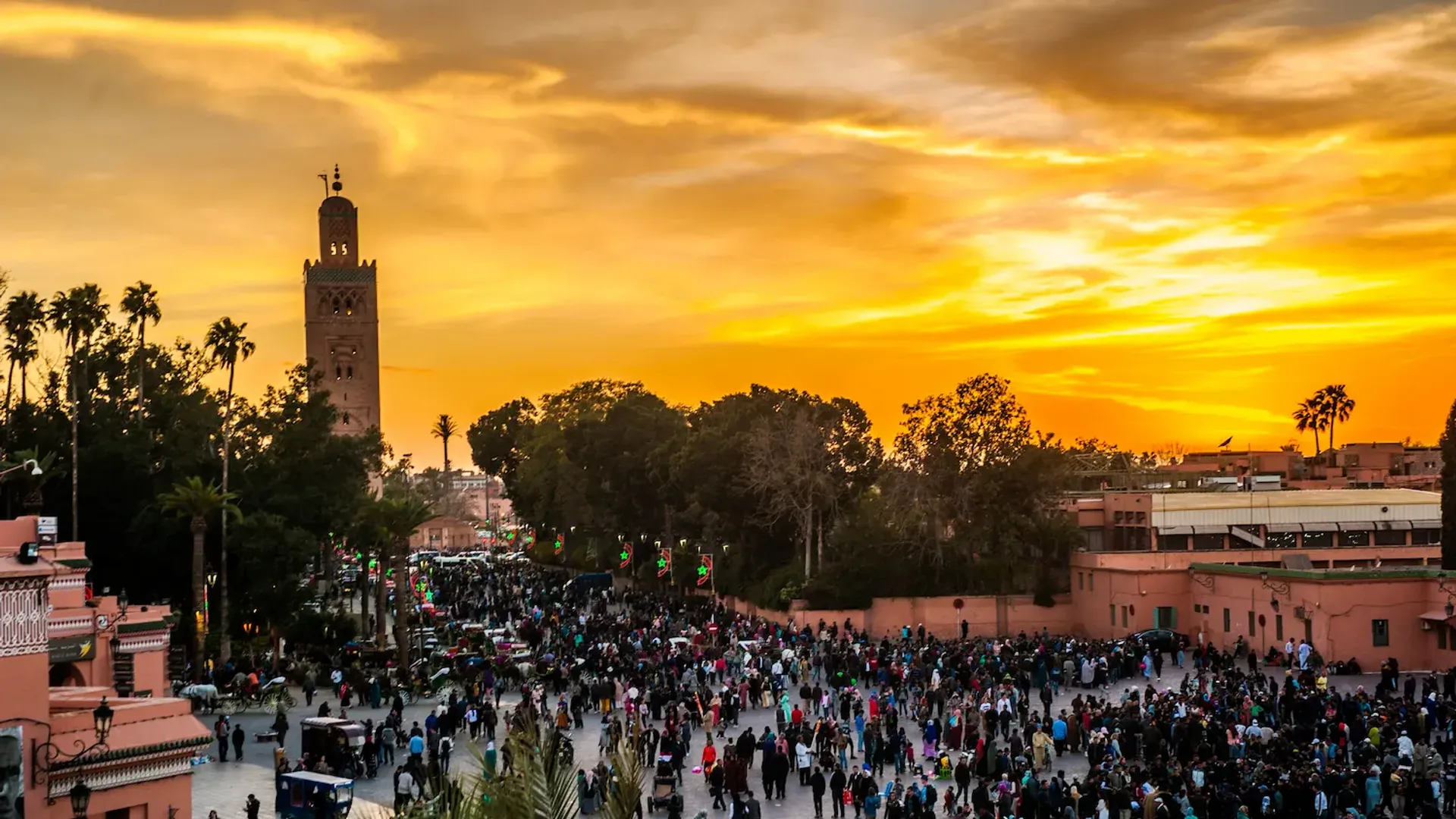
Marrakech gets the same upgrade: comfortable souk hours, golden late-afternoon light, and Jemaa el-Fnaa coming alive at dusk just as the day cools.
The coast for the last warm swims
September and October are the Atlantic's warmest months, and the coast stays rewarding deep into autumn. Essaouira mellows as the strong summer trade winds ease, which makes autumn its most comfortable season for simply wandering the ramparts and the port. Agadir claims some of the country's most reliable sunshine, and its sea stays swimmable into November for the reasonably brave. Surfers get the season's first proper swells from October.
Planning an autumn trip
The insider season is less secret than it used to be. October riads and desert camps now book out three to four weeks ahead, and the late-October European half-term brings a short family bump — book that fortnight earlier still. Pack layers from late October: desert nights and city evenings turn properly cool even while afternoons stay warm. And if autumn does not fit your calendar, the seasonal logic in Morocco in summer shows how to make the hot months work instead.
Frequently asked questions
Is October a good time to visit Morocco?
It is arguably the best month of the year. Every region works — 26–28°C in Marrakech, a comfortable Sahara, a warm sea — with crowds well below the April peak. Book three to four weeks ahead; the word is out.
Is the sea warm enough for swimming in autumn?
In September and October, yes — the Atlantic is at its yearly warmest, around 21–22°C. By November it turns brisk, though Agadir's sunshine keeps beach days pleasant.
Can you visit the Sahara in November?
Yes — clear, warm days and excellent light, with cold nights arriving, so pack warm layers for the camp. From late November, watch for the first possible snow closures on the Tizi n'Tichka pass and build in a buffer day.
Is autumn cheaper than spring in Morocco?
Generally, yes. The weather is near-identical, but demand is softer outside the late-October half-term, and November in particular pairs excellent conditions with the best value of the season.