Moroccan Food: 20 Dishes You Must Try
Moroccan food is one of the world's great cuisines — slow-cooked, spice-layered and fiercely regional — yet most visitors leave having eaten little beyond a chicken tagine. This list covers the 20 dishes that actually matter, where each one is at its best, and roughly what it costs to eat like a local.
One framing note before the list: Morocco has no Michelin-starred restaurants. The benchmark here is not fine dining but home cooking, market stalls and specialist counters that have made one thing brilliantly for generations. Eat accordingly.
The slow-cooked classics
1. Tagine. The dish and the conical pot share a name. The two canonical versions are chicken with preserved lemon and olives, and lamb with prunes and almonds — sweet, savoury and cooked until the meat gives up. A good tagine in a local restaurant runs 40–90 MAD; a great one takes two hours, so beware anything that arrives in ten minutes.
2. Couscous. Traditionally the Friday family lunch, when hand-rolled semolina is steamed three times and piled with seven vegetables and meat. Friday is genuinely the day to order it — many places cook it only then.
3. Tanjia. Marrakech's bachelor dish: beef sealed in a clay urn with preserved lemon, cumin and smen, then slow-cooked overnight in the ashes of the hammam furnace. Our Marrakech food tour guide covers where to find the real thing.
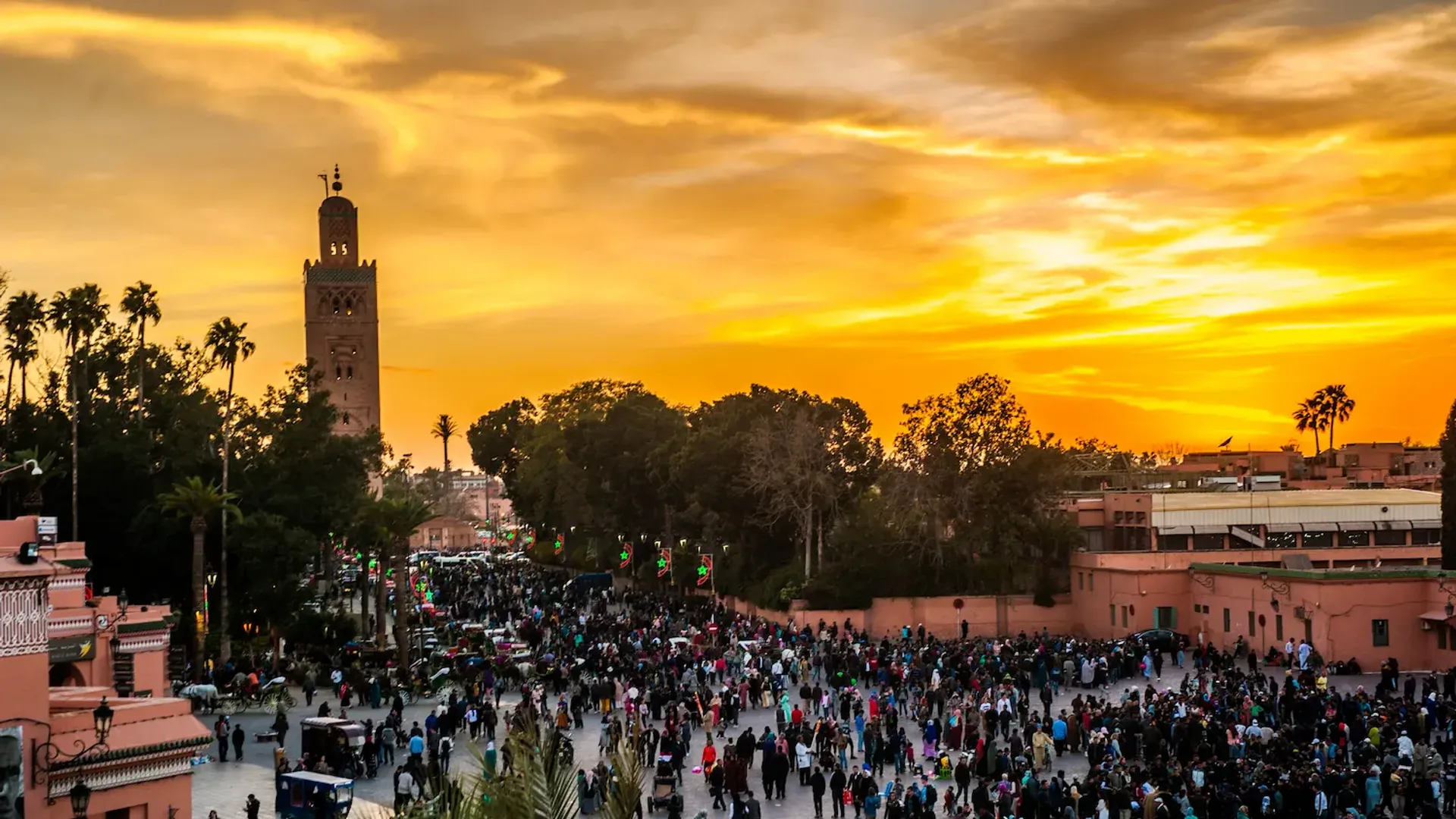
4. Mechoui. Whole lamb slow-roasted in a pit oven until it shreds at a touch, sold by weight with cumin salt. Mechoui Alley off Jemaa el-Fnaa is the classic address — go before 1pm.
5. Rfissa. Shredded msemen soaked in a saffron, lentil and fenugreek chicken broth. A celebration dish from the Casablanca–Rabat corridor that rarely appears on tourist menus — ask for it, or try it on a Casablanca walking tour lunch stop.
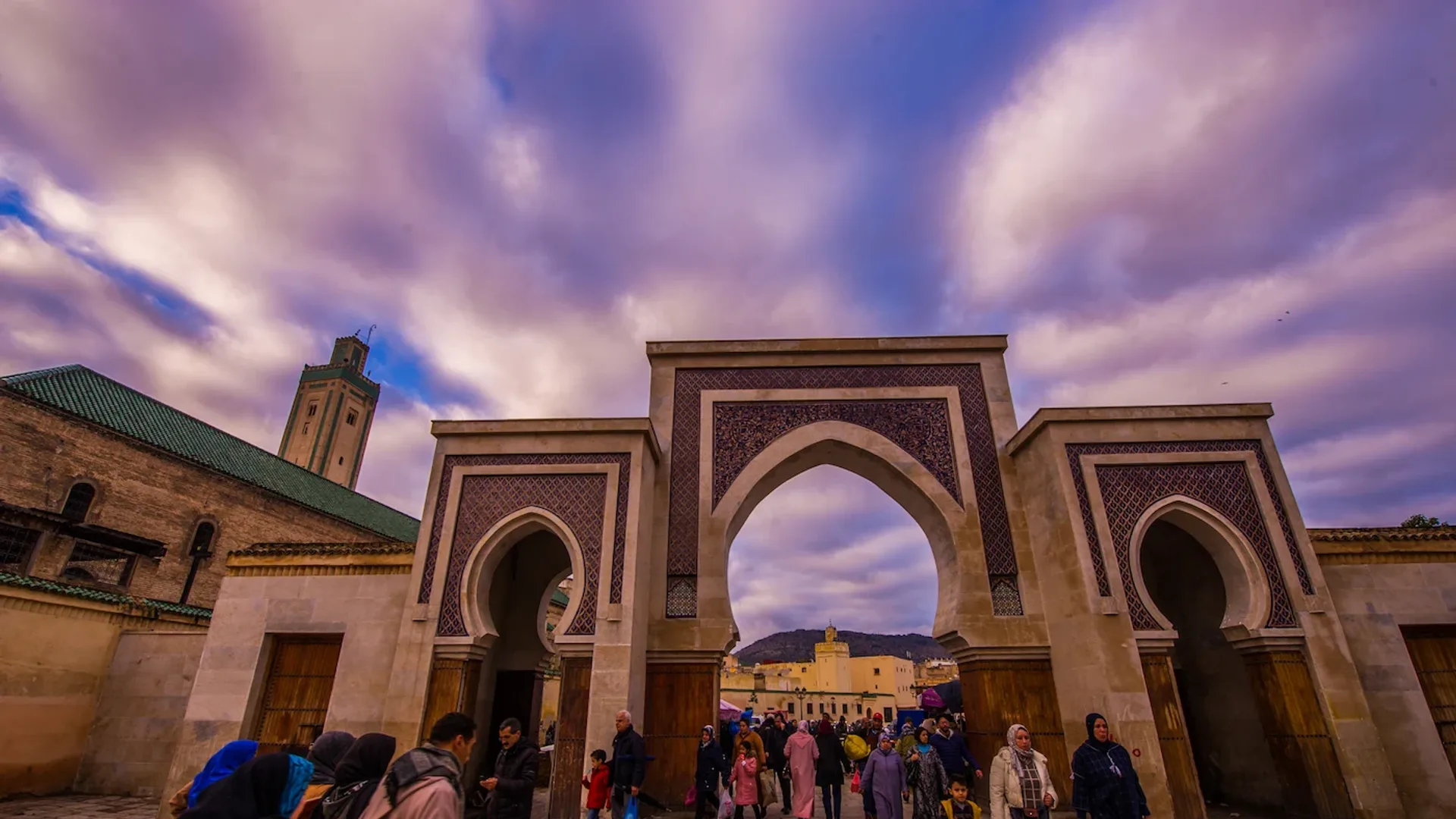
6. Pastilla. Fes's masterpiece: warqa pastry layered with spiced pigeon or chicken, almonds, egg and cinnamon, dusted with icing sugar. Sweet-savoury and unforgettable — the medina of Fes is its home ground, and a Fes medina walking tour will take you past pastry shops making the warqa by hand.
Street food and market eating
7. Harira. Tomato, lentil and chickpea soup, sharpened with lemon. Everywhere, always, 5–10 MAD a bowl. During Ramadan it is the dish that breaks the fast each evening.
8. Bissara. Fava beans blitzed to silk with garlic, cumin and a flood of olive oil. A northern breakfast staple — Tangier and Chefchaouen do it best on cold mornings.
9. Brochettes. Skewers of lamb, beef or kefta grilled over charcoal, stuffed into bread with harissa and onion. The default Moroccan fast food, 20–40 MAD a sandwich.
10. Kefta tagine. Spiced meatballs simmered in tomato sauce with eggs cracked on top to set. Order it bubbling and mop it with bread.
11. Babbouche. Snails in a hot, peppery broth of a dozen-plus spices, ladled from cauldrons at night markets. A small bowl costs 10–15 MAD; drinking the broth is the point.
12. Grilled sardines. Morocco is one of the world's great sardine nations. At the port grills of Essaouira you choose your fish and eat it minutes later with bread and tomato salad — a highlight of any Essaouira day trip, and the Essaouira walking tour ends conveniently close to the stalls.
Breakfast and breads
13. Msemen. Laminated, flaky flatbread griddled to order, eaten with honey, amlou or soft cheese. The sound of msemen hitting hot steel is the Moroccan alarm clock.
14. Baghrir. 'Thousand-hole' semolina pancakes, spongy on top, drenched in honey-butter.
15. Khobz. The round communal loaf that replaces cutlery at every table. Many families still carry their dough to the neighbourhood wood-fired oven — in the Fes medina you can watch the communal ovens at work, best in the morning alongside an early visit to the Chouara tannery before the crowds and the heat build.
Want to taste all of this in one trip? Tell us your route on WhatsApp and we will build eating stops into every day — from Fes pastilla to Essaouira sardines. Private guides, direct booking, free cancellation. Plan my food-first itinerary.
Salads, sides and the vegetable table
16. Zaalouk. Smoky mashed aubergine and tomato with garlic and paprika, served warm with bread. The best single argument that Moroccan vegetables outclass most countries' mains.
17. Taktouka. Its sibling: roasted green peppers and tomatoes, softer and sweeter. A proper Moroccan lunch opens with four or five of these small salads at once — 15–25 MAD each in local spots.
Sweets and the tea ritual
18. Chebakia. Flower-shaped sesame pastries fried and bathed in honey, inseparable from Ramadan evenings but sold year-round by weight.
19. Sellou. A rich, crumbly mix of toasted flour, almonds, sesame and honey — the energy bar Morocco invented centuries before the gym.
20. Mint tea. Green tea packed with fresh mint and (traditionally) serious sugar, poured from height to raise a foam. It is hospitality itself: refusing a third glass takes diplomacy. Pair it with amlou — the argan-almond-honey spread from the south-west — scooped up with msemen.
Where to eat all of this
Regionality is the trick: pastilla and communal-oven bread in Fes, tanjia and the night stalls in Marrakech, sardines on the Atlantic coast, bissara in the north, rfissa around Casablanca. A private food-focused walking tour is the fastest way in — our guides order in Darija, explain what is in front of you and steer you past the tourist traps. Walking tours across our cities start at 900 MAD for one to four guests with a licensed local guide, and you pay for what you eat directly at the stalls. If you are building a longer route, our Marrakech medina walking route and Marrakech food tour guides are good next reads.
Frequently asked questions
What is the national dish of Morocco?
Couscous has the strongest claim — it is the ritual Friday lunch across the country — though tagine is what most visitors eat daily. Between the two of them, plus harira, you have the spine of Moroccan home cooking.
Is Moroccan food spicy?
Spiced, not spicy. The flavour comes from cumin, ginger, turmeric, cinnamon, saffron and preserved lemon rather than chilli heat. Harissa is served on the side, so you control the fire yourself.
How much does eating out in Morocco cost?
Street food and local canteens: 20–60 MAD per dish. A generous multi-course meal in a mid-range medina restaurant: 100–200 MAD per person. Fresh orange juice is often under 10 MAD. Eating brilliantly in Morocco is cheap; eating badly in a tourist restaurant costs more.
Can vegetarians eat well in Morocco?
Yes, with light menu navigation. Zaalouk, taktouka, bissara, vegetable couscous and tagines, msemen, baghrir and the entire pastry canon are meat-free. Confirm that vegetable tagines are not cooked on a meat base — a guide helps here.
Which city is best for food in Morocco?
Fes for refinement and tradition, Marrakech for street theatre and tanjia, Essaouira and the coast for seafood. If food is the point of your trip, plan at least two of the three.