What to Wear in Morocco: A Practical Dress Guide
Morocco has no legal dress code for visitors, but what you wear shapes almost every interaction — from the prices you are quoted in the souks to how comfortable you feel walking a medina lane on your own. Here is what actually works, city by city and season by season.
The short answer: light, layered, roughly knee-and-shoulder
Nobody will turn you away from a restaurant or a riad for wearing shorts, and in tourist-heavy districts you will see every style imaginable. But Morocco is a Muslim-majority country where most locals dress modestly, and travellers who cover shoulders and knees consistently report an easier time: less staring, less hassle from touts, warmer conversations with shopkeepers.
The practical formula is simple. Choose loose over tight, natural fibres over synthetics, and always carry one extra layer. Cotton and linen handle the heat far better than polyester, loose cuts are both cooler and more modest, and a light scarf or overshirt solves ninety percent of situations — sun, wind, air-conditioned restaurants, a conservative village, a chilly riad courtyard.
What "modest" means in practice, city by city
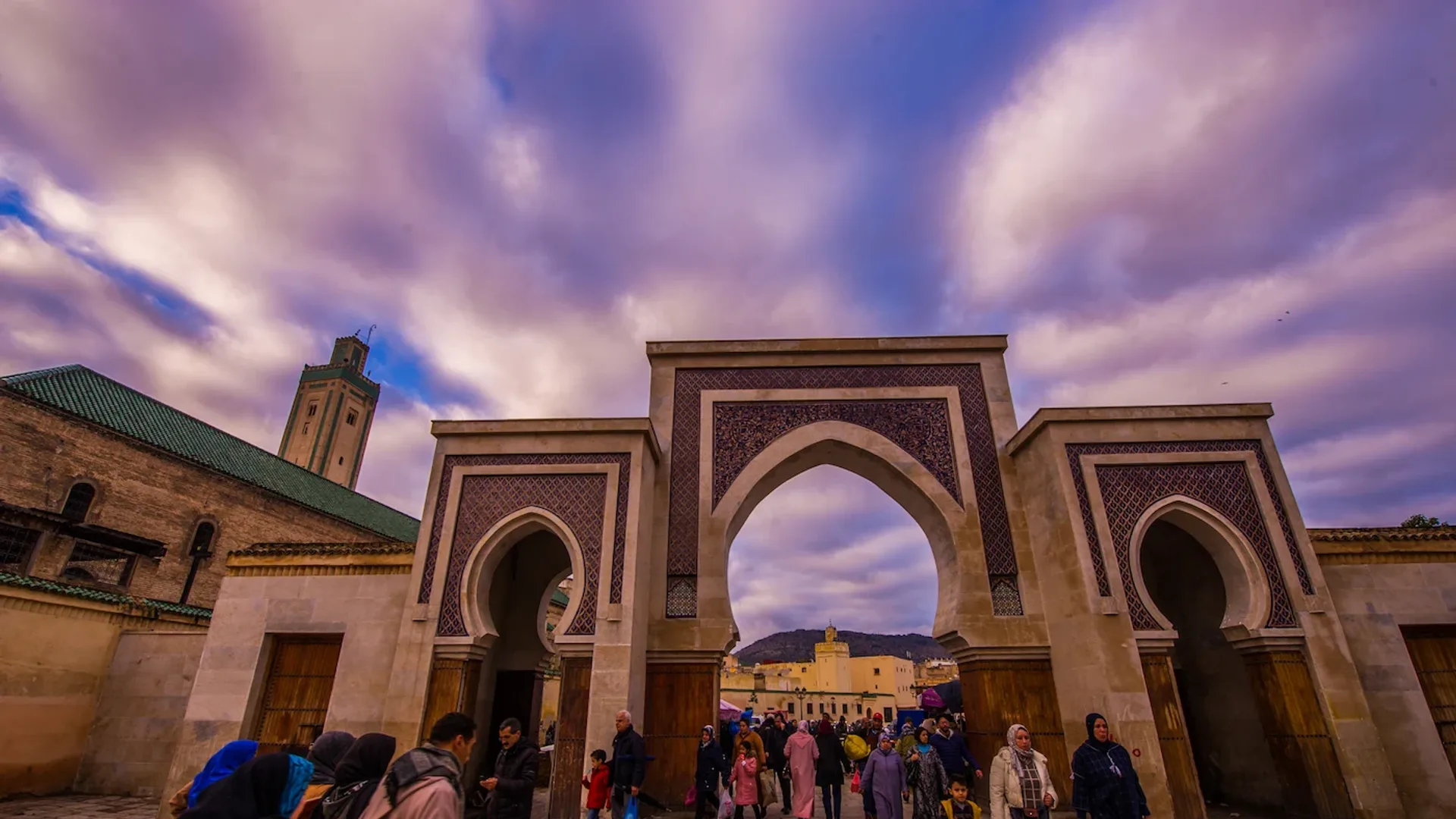
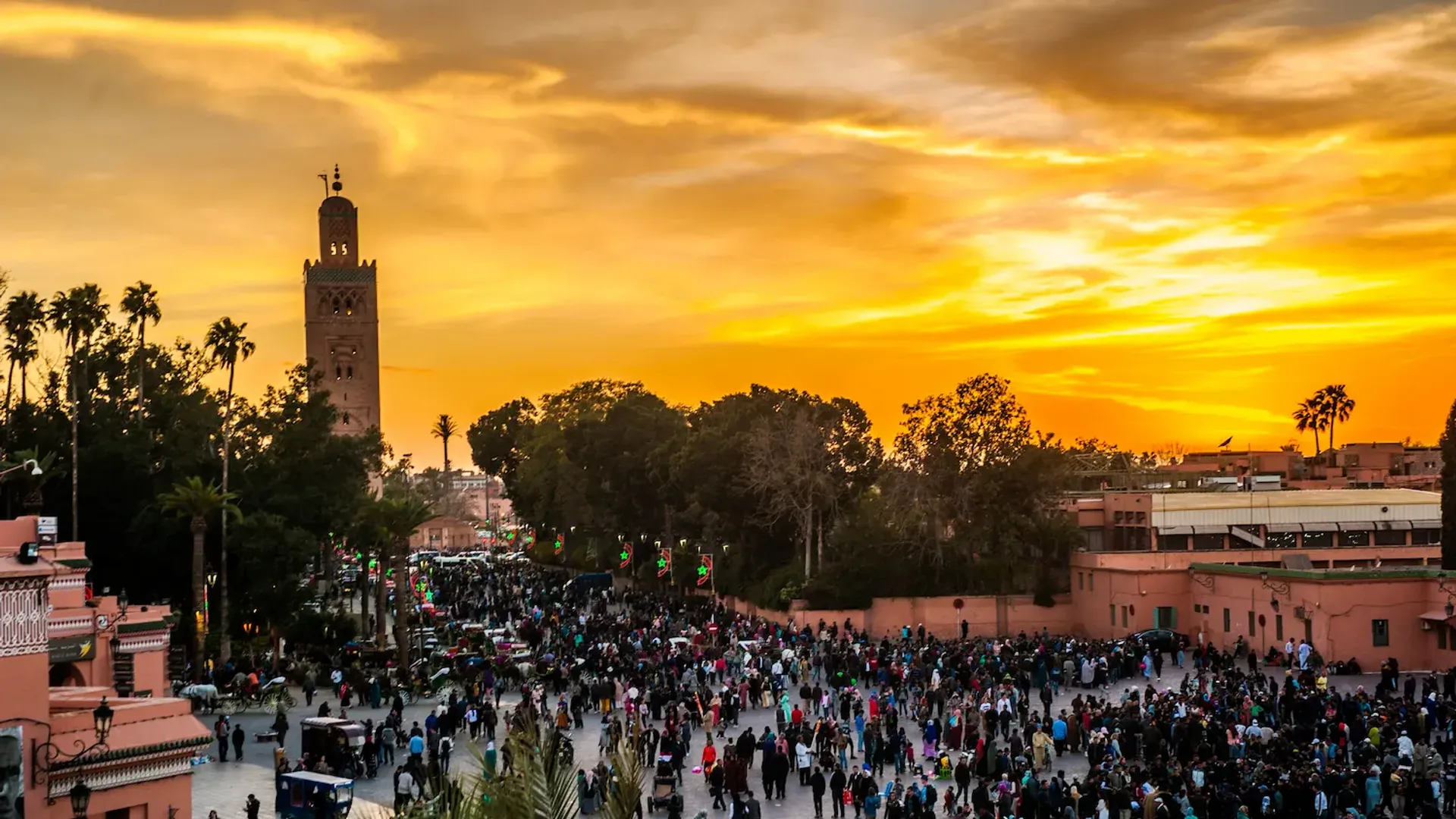
Context matters more than any single rule. In Marrakech's Gueliz district, central Casablanca or Rabat's Agdal, dress is broadly European — jeans, dresses, short sleeves — and nobody blinks. Inside the old medinas of Marrakech and Fes, knee-length and shoulder-covering is the comfortable baseline. In rural villages, the Atlas foothills and small-town markets, err noticeably more conservative.
A good local guide will steer you on this in real time — it is one of the quiet benefits of exploring with someone from the city. Our Marrakech medina walking tour and Fes medina walking tour both come with a licensed local guide who knows exactly which lanes, terraces and workshops you are dressed right for. One Fes-specific note: if the Chouara tannery is on your list, go in the morning (the light and the smell are both better) and wear closed shoes — the surrounding lanes can be slick.
For women travellers
The wardrobe that works: loose linen or cotton trousers, midi skirts and dresses, tops that cover the shoulders, and one light scarf. The scarf is the single most useful item you will pack — sun cover on a hot afternoon, shoulder cover in a shrine quarter, wind cover on the coast. Leggings work fine under a long tunic; on their own they draw attention in the medina.
Two honest points. First, you do not need to cover your hair anywhere in daily life — that is a personal or religious choice, not an expectation placed on visitors. Second, some unwanted attention exists in busy tourist zones regardless of what you wear; dressing modestly reduces friction, it does not eliminate it. Walking with a guide, or simply with confidence and a clear direction, does more than any outfit change.
For men travellers
Men get more latitude, but the same logic applies. Shorts are fine in tourist areas, hotels and on the coast; lightweight long trousers read as respectful everywhere and are what most Moroccan men wear even in August. A linen or cotton shirt beats a vest top in both comfort and reception. Going shirtless anywhere other than a beach or a pool is a genuine faux pas.
Packing for a trip you have not fully planned yet? Tell us your dates and cities on WhatsApp and we will tell you exactly what the weather is doing and what to bring. Browse all our private tours or message us — private driver tours are priced per vehicle for up to 9 guests, with free cancellation up to 24 hours before.
Region by region: Sahara, Atlas and the coast
The Sahara. On a Merzouga desert tour, think in extremes. From December to February, nights at the dune camps drop near freezing — pack a proper warm layer, a hat and socks you can sleep in. In July and August the midday heat at Merzouga is extreme; long, loose, light-coloured layers protect better than exposed skin, and a cotton scarf worn desert-style keeps sun and sand out. Camel rides happen at sunrise and sunset partly for this reason.
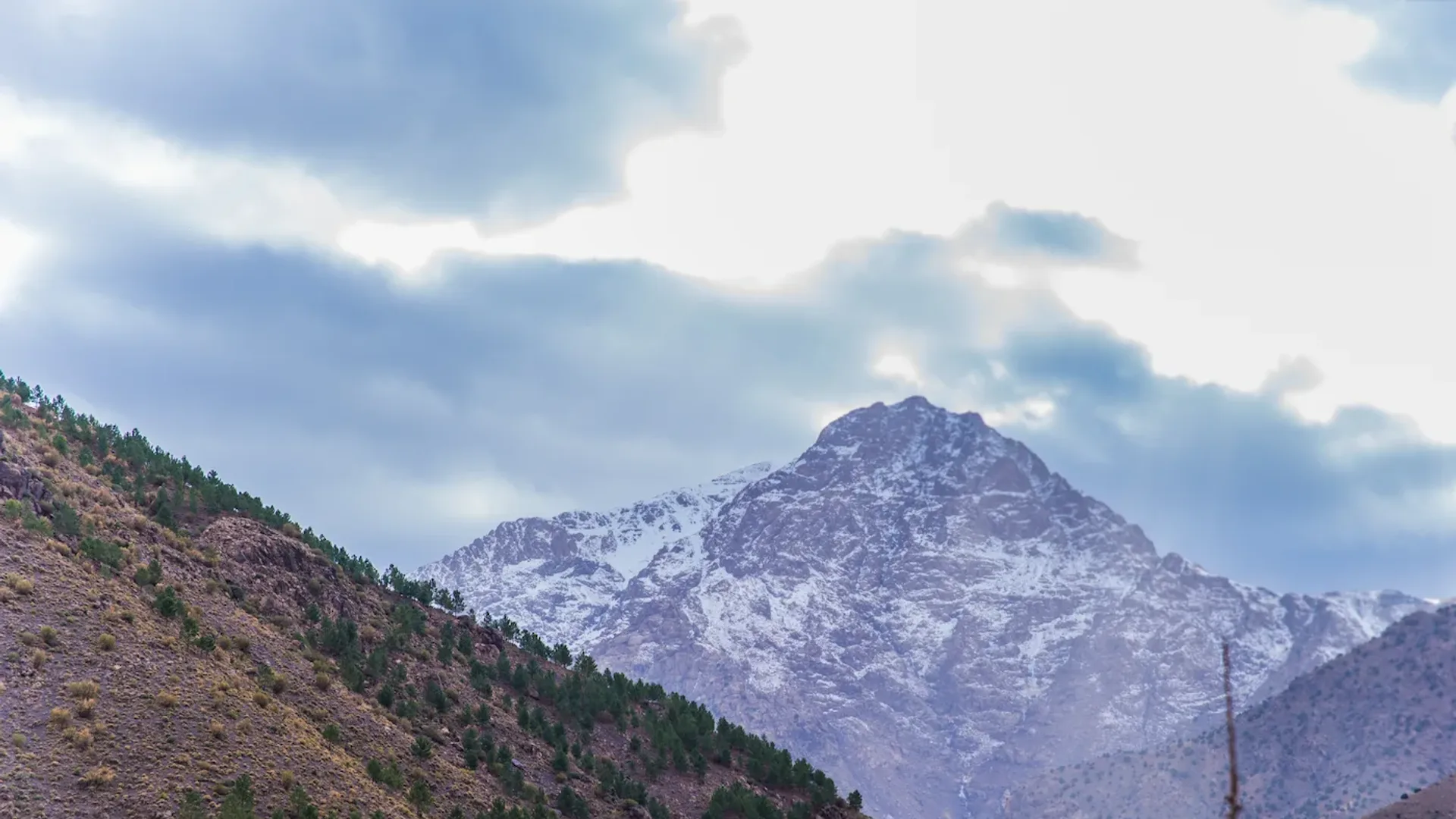
The Atlas. Mountain weather turns fast. For an Atlas Mountains day trip, bring a fleece and a windproof layer even in summer, and real walking shoes — village paths are rocky. From November to March, pack winter kit: the Tizi n'Tichka pass can close after snowfall, and higher villages sit well below city temperatures. Anyone eyeing Mount Toubkal should know a licensed mountain guide is required, and proper cold-weather gear with it.
The coast. Essaouira is famously windy year-round — a windbreaker earns its place in your bag in any month. Swimwear is completely normal on the beach in Essaouira and Agadir; the local habit is simply to cover up before walking back into town.
Season by season
Summer (June–August): breathable natural fibres, a wide-brim hat, real sunscreen. Interior cities like Marrakech and Fes regularly pass 38°C. Winter (November–February): the surprise is indoors — traditional riads have little heating, and evenings in stone courtyards are cold. Pack a proper jumper and warm sleepwear. The north gets real rain. Spring and autumn: the sweet spot — light layers cover everything. For the full picture of when to come, see our guide to the best time to visit Morocco.
Mosques, hammams and Ramadan
Most mosque interiors in Morocco are closed to non-Muslims. The great exception is Casablanca's Hassan II Mosque, which non-Muslims can visit only on the official guided tour slots — cover shoulders and knees; women are not required to cover their hair for the tour, though a scarf is handy. If your dates fall in Ramadan, dial modesty up one notch across the board — our Ramadan visitor's guide covers the details. In a public hammam, underwear stays on; bring a spare pair and a plastic bag for the wet one.
Leave these at home
Heels (medina cobbles will destroy them), anything that needs ironing, expensive jewellery you would grieve, and white trousers if you are visiting tanneries or riding camels. One packing rule beats all others: if you would think twice about wearing it in a small, conservative town, leave it for the hotel pool.
FAQ
Do women need to cover their hair in Morocco?
No. Headscarves are a personal choice for Moroccan women and are not expected of visitors anywhere in daily life — including on the Hassan II Mosque guided tour, where modest dress is required but hair covering is not.
Can I wear shorts in Marrakech?
Yes, and in tourist areas nobody will comment. Inside the medina, knee-length shorts or light trousers get a noticeably warmer reception than short shorts, for both men and women. In Gueliz and at hotels, wear what you like.
What should I wear for a Sahara desert tour?
Long, loose, light-coloured layers, closed shoes for the dunes at night, a cotton scarf, and a genuinely warm layer for the camp — desert nights are cold most of the year and near freezing in winter. In July and August, plan around the extreme midday heat rather than trying to dress through it.
Is there a dress code at restaurants and rooftop bars?
Almost never a formal one. Smart-casual covers the fanciest rooftops in Marrakech and Casablanca. The only hard rules you will meet are at religious sites — and at the hammam, where the etiquette is underwear on and swimwear optional.