Things to Do in Morocco: 25 Unmissable Experiences
Morocco squeezes desert dunes, snow-capped mountains, blue-washed hill towns and thousand-year-old medinas into a country you can cross in a day's drive. These 25 experiences are the ones travellers still talk about years later — with the practical details that make each one work.
We have grouped them by region so you can slot them straight into a route. If you are still deciding when to go, read our month-by-month guide to the best time to visit Morocco first — several of these experiences are strongly seasonal.
Marrakech and the South
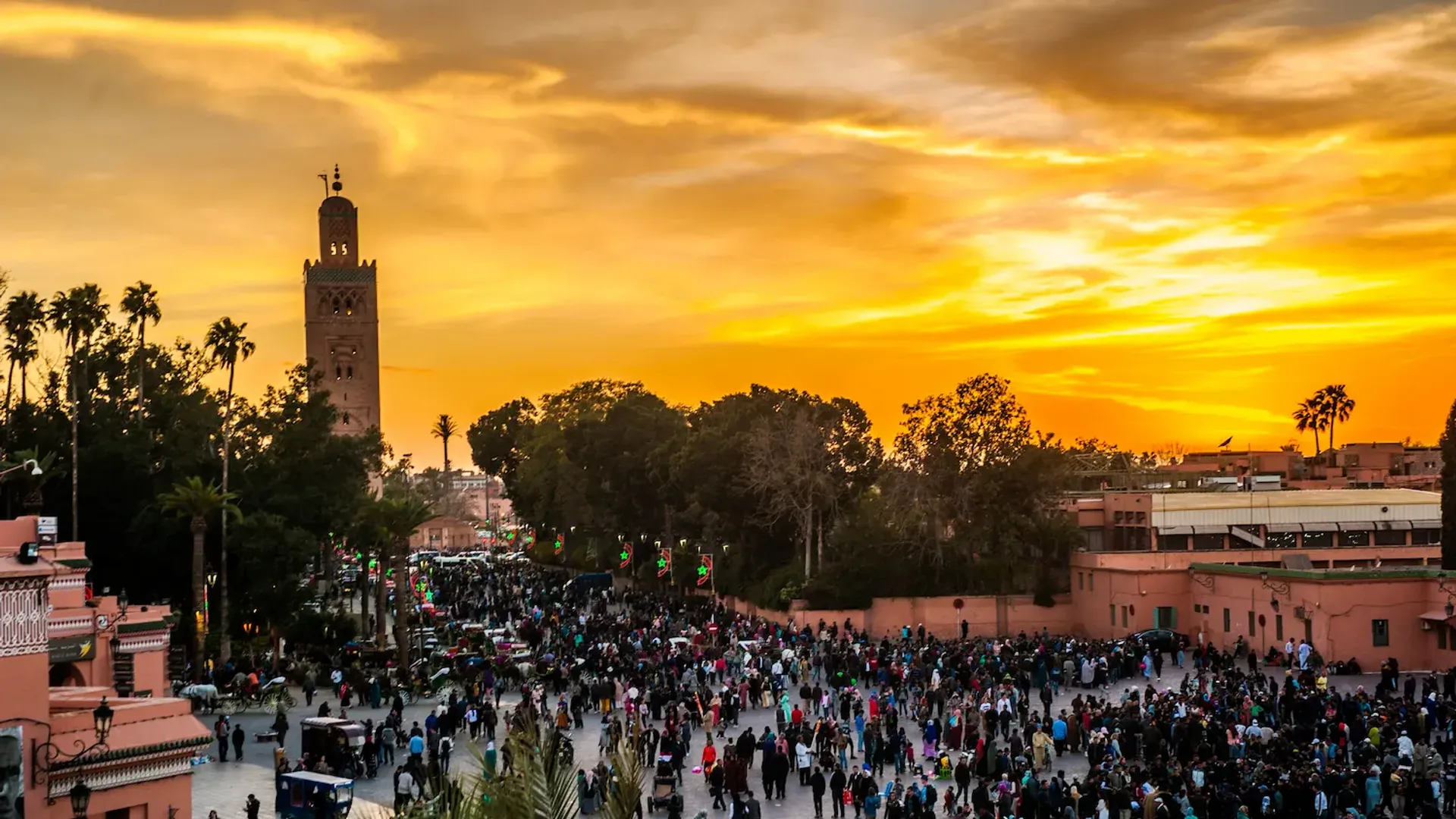
1. Jemaa el-Fnaa at dusk. Marrakech's great square is ordinary at noon and extraordinary at sunset, when the food stalls fire up and storytellers, musicians and snake charmers take over. Come at golden hour, watch from a rooftop café terrace, then walk the stalls after dark.
2. Get lost in the souks. The dyers' souk, the metalworkers' lanes, the spice pyramids — Marrakech's markets reward slow wandering. Note that souks go quiet around Friday midday prayers, so plan that morning for gardens or palaces instead. A private Marrakech medina walking tour helps you haggle without the hassle.
3. Jardin Majorelle and the YSL Museum. The cobalt-blue garden Yves Saint Laurent rescued is Marrakech's most-visited site. Book online timed tickets in advance — walk-up queues run long — and remember the YSL museum next door closes on Wednesdays.
4. Bahia Palace and Ben Youssef Madrasa. Two masterclasses in zellige tilework and carved cedar. Go at opening time; both are compact and fill quickly with groups by mid-morning.
5. A Marrakech street-food crawl. Msemen flatbreads, tanjia slow-cooked in the hammam ashes, snail broth if you are brave. Safest and best eaten with a local who knows which stalls turn over fast — that is exactly what our Marrakech food walking tour is for.
6. Sleep in a riad. Skip the chain hotels at least once. A courtyard riad — fountain, orange trees, rooftop breakfast — is half the reason people fall for Morocco.
Mountains, Gorges and the Sahara
7. Drive the Tizi n'Tichka pass. The 2,260 m road over the High Atlas is one of Africa's great drives. It can close after snow between November and March, so build in a buffer day in winter.
8. Ait Benhaddou. The fortified mud-brick ksar you have seen in a dozen films. Cross the river, climb to the granary at the top, and go early before the tour buses. Pairs naturally with a stop in Ouarzazate and its film studios.
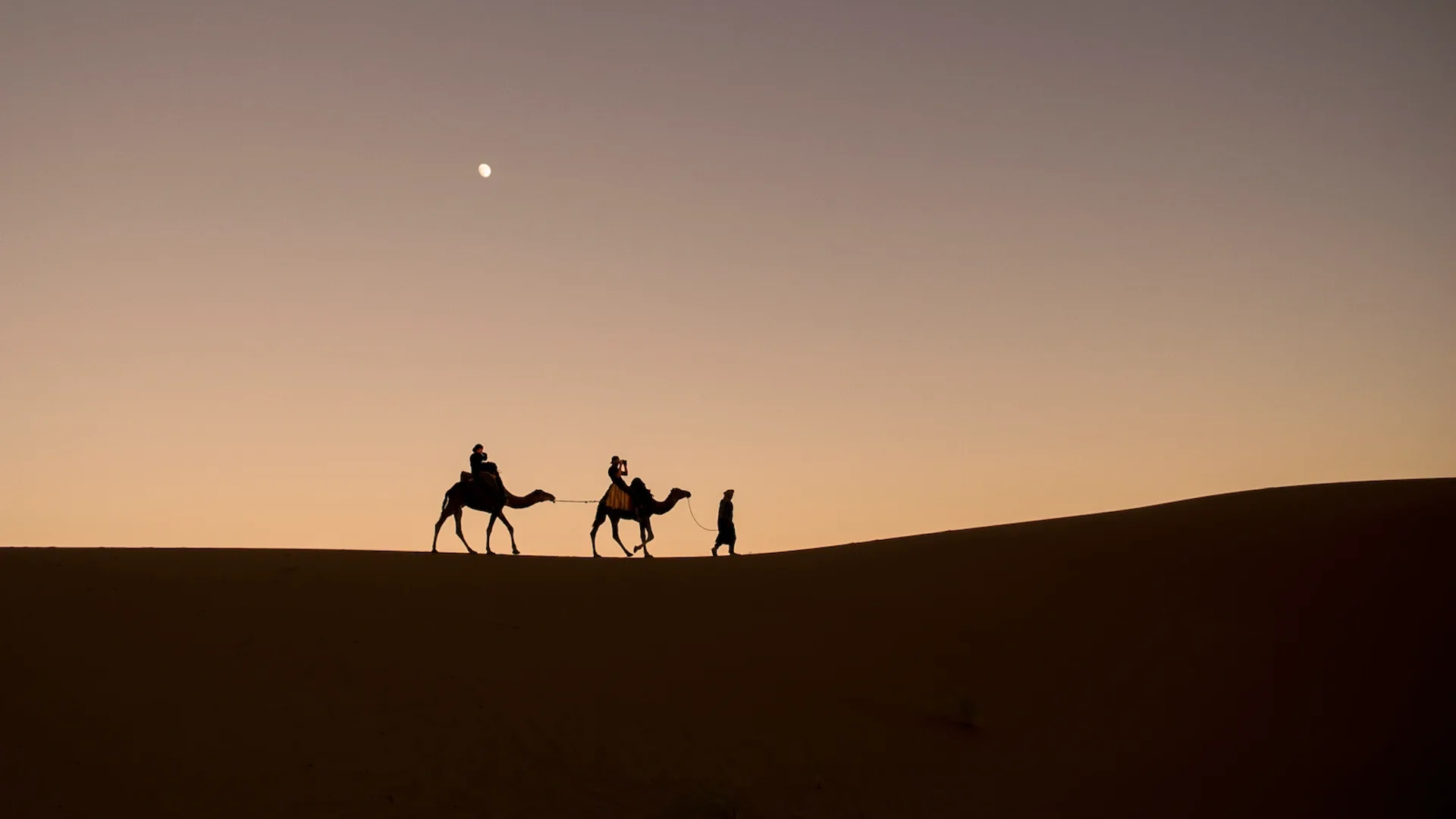
9. Camel trek into the Erg Chebbi dunes. Ride out from Merzouga an hour before sunset, watch the dunes turn copper, and sleep in a desert camp. In July and August the midday heat is extreme — trek at dawn or dusk only, and carry more water than you think you need.
10. Sahara stargazing. No light pollution for a hundred kilometres. On a moonless night the Milky Way over Erg Chebbi is worth the whole journey. Our Sahara Merzouga private tours start at 2,800 MAD per vehicle.
11. Todra and Dades Gorges. Three-hundred-metre canyon walls, palm-filled valley floors and the switchbacks of the "monkey fingers" road. The natural overnight stop between Marrakech and the desert.
12. Ourika Valley waterfalls. The Atlas escape closest to Marrakech — Berber villages, riverside tagine lunches and a scramble up to the Setti Fatma falls. One caution: the riverbed carries real flash-flood risk after rain, so skip it on stormy days.
13. Ouzoud Falls. Morocco's most spectacular cascades, 110 m of them, ringed by olive groves and rainbows. The resident Barbary macaques are charming and shameless — they will steal food straight from your hands, so keep snacks zipped away.
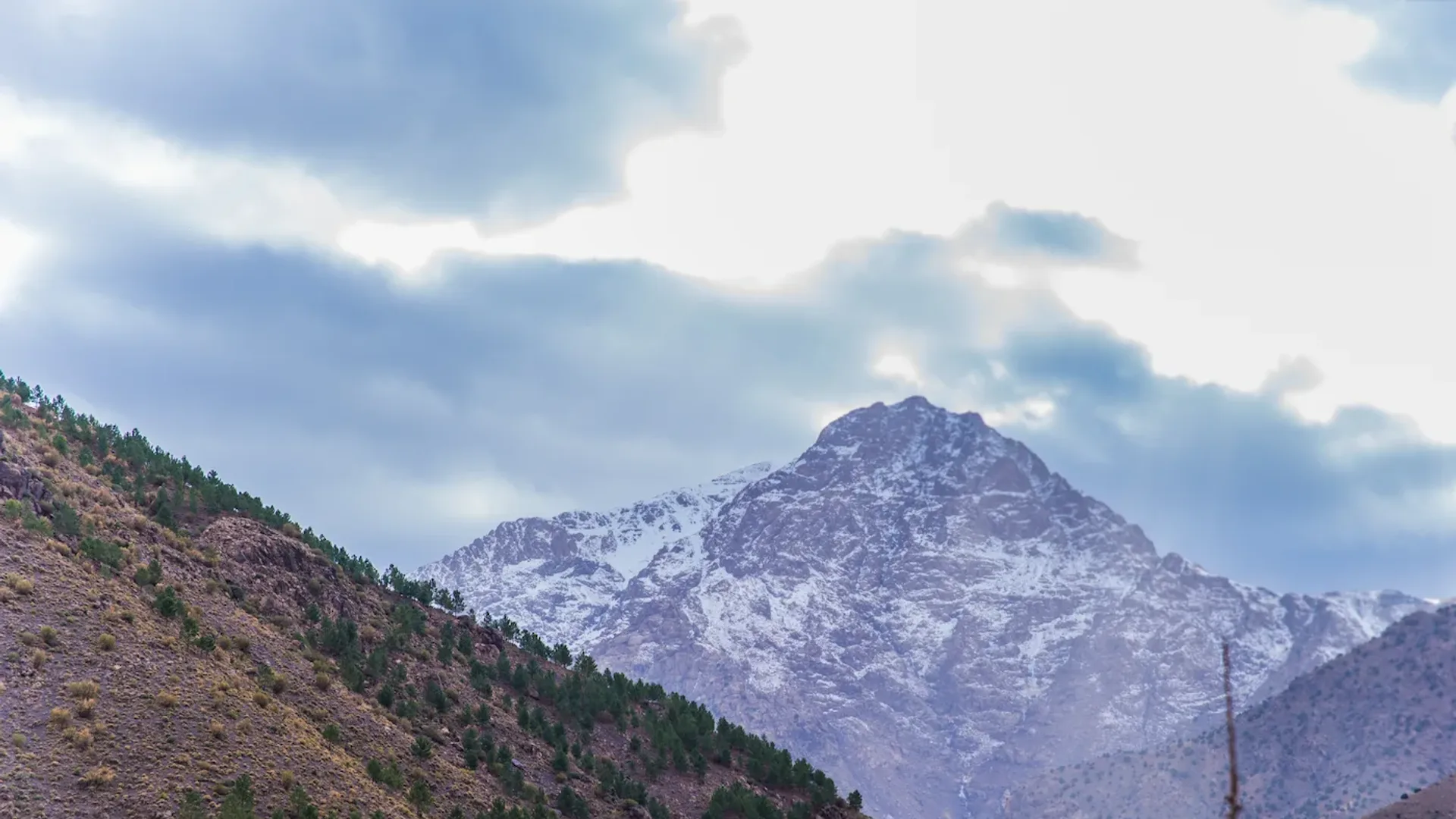
14. Hike the Toubkal foothills from Imlil. Walnut groves, mule trails and village lunches under North Africa's highest peak. If you want the 4,167 m summit itself, note that climbing Toubkal legally requires a licensed mountain guide — day walkers can enjoy the valleys without one on an Atlas Mountains private tour.
Want these experiences without the logistics? Send us your dates and wish-list on WhatsApp and we will build a private route around them — your own driver and vehicle for up to 9 guests, per-vehicle pricing, free cancellation up to 24 hours before driver tours. Start planning your trip.
Fes, Meknes and the North
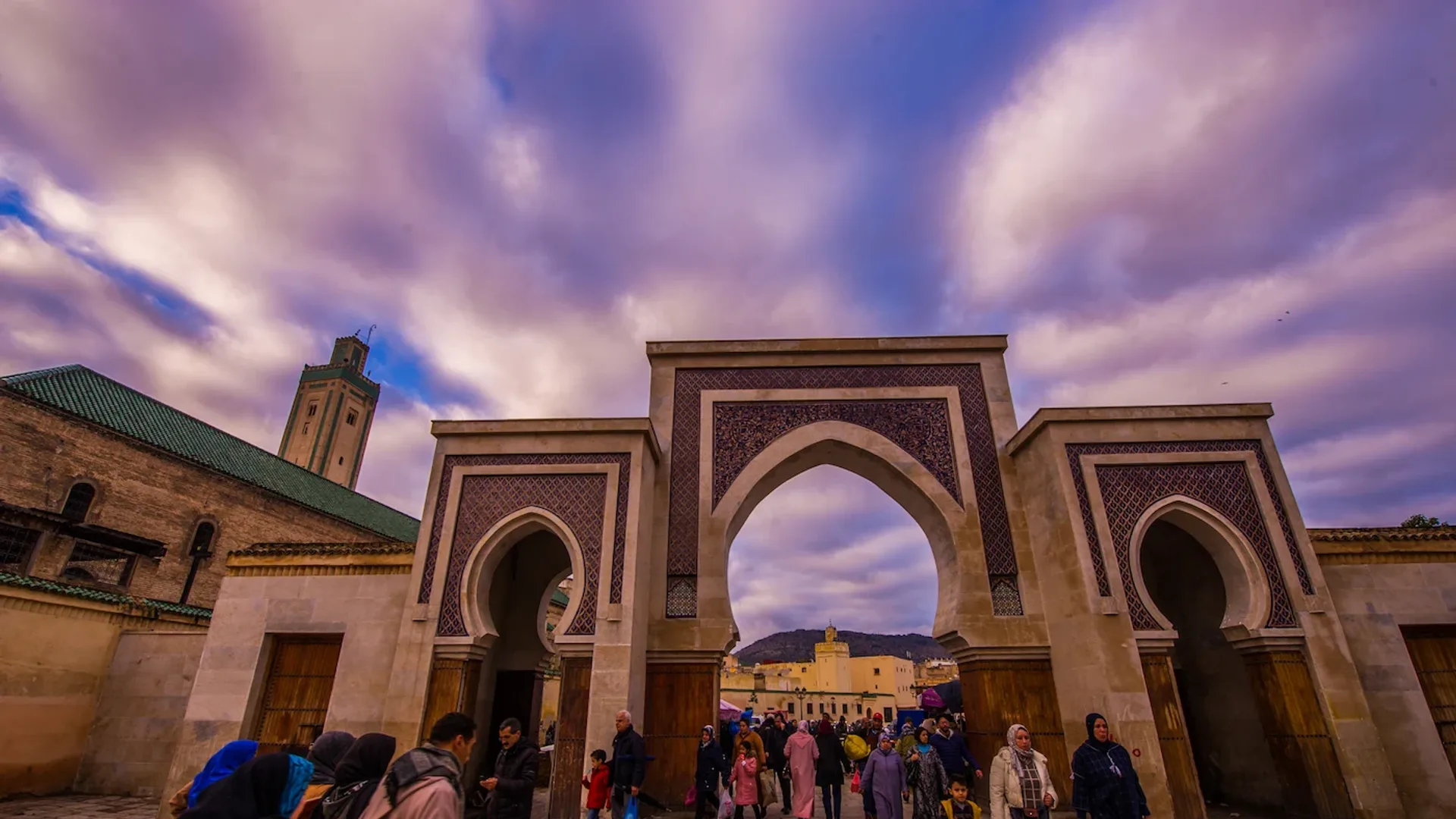
15. Walk Fes el-Bali. The world's largest car-free urban area: 9,000 alleys, donkey traffic, medieval funduqs. It is gloriously disorienting — a licensed guide on a Fes medina walking tour turns confusion into context.
16. The Chouara tannery. Fes's iconic stone dye pits, viewed from the leather-shop terraces above. Go in the morning, when the vats are freshly worked and the colours are at their strongest; afternoons are quieter but duller (and no less pungent — accept the sprig of mint).
17. Volubilis and Meknes. Morocco's best Roman ruins — mosaics still in situ under open sky — half an hour from the quieter imperial city of Meknes and its colossal Bab Mansour gate.
18. Chefchaouen's blue medina. The Rif mountain town where every wall, step and doorway is washed in powder blue. Stay overnight if you can: day-trippers leave by 5 pm, and dawn photos have the lanes to yourself.
19. Sunset from the Spanish Mosque. A 30-minute walk above Chefchaouen delivers the classic full-town panorama as the call to prayer echoes across the valley.
20. Tangier's kasbah and Cap Spartel. Where the Mediterranean meets the Atlantic. Combine the whitewashed kasbah, the Caves of Hercules and lunch above the strait in a single unhurried day.
Coast, Casablanca and Culture
21. Hassan II Mosque, Casablanca. One of the world's largest mosques, its minaret towering over the Atlantic. Non-Muslims can only enter on the official guided tour slots, so check the day's times before you plan around it.
22. Essaouira's ramparts and fishing port. Blue boats, screaming gulls, grilled sardines straight off the harbour scales, and sea-sprayed ramparts that inspired Orson Welles. The wind that cools the town also makes it Morocco's kitesurfing capital.
23. A proper hammam. Steam, black soap, and a scrub-down that removes skin you did not know you had. Neighbourhood hammams cost pocket change; spa versions in Marrakech riads run 300–600 MAD and are a wonderful first-timer's entry point.
24. Learn to cook tagine. A cooking class that starts with a market shop and ends with your own lamb-and-prune tagine is the souvenir that lasts. Morocco has no Michelin-starred restaurants — the best food here is home food, and that is the point.
25. Mint tea, poured high. "Berber whisky" is a ritual, not a drink. Accept every glass offered; the third pour is the sweetest.
FAQ
How many days do you need to see Morocco?
Seven days covers Marrakech, the Atlas and the Sahara at a reasonable pace; ten to fourteen lets you add Fes, Chefchaouen and the coast. See our detailed 7, 10 and 14-day Morocco itineraries.
Is Morocco safe for these experiences?
Broadly yes, with normal city awareness plus a few nature-specific cautions (flash floods at Ourika after rain, extreme summer heat at Merzouga, licensed guides required on Toubkal). Our honest Morocco safety guide covers it all.
Do I need a guide for the medinas?
You can wander Marrakech solo, but Fes el-Bali genuinely benefits from a licensed local guide — for navigation, history and deflecting the hustle. Our private walking tours with a licensed local guide start at 900 MAD for one to four guests.
What should these experiences cost?
Most sights are cheap: Bahia Palace around 100 MAD, Majorelle from about 170 MAD, Hassan II Mosque tour around 140 MAD, street food a few dirhams. It is the transport between cities where a private driver earns its keep.